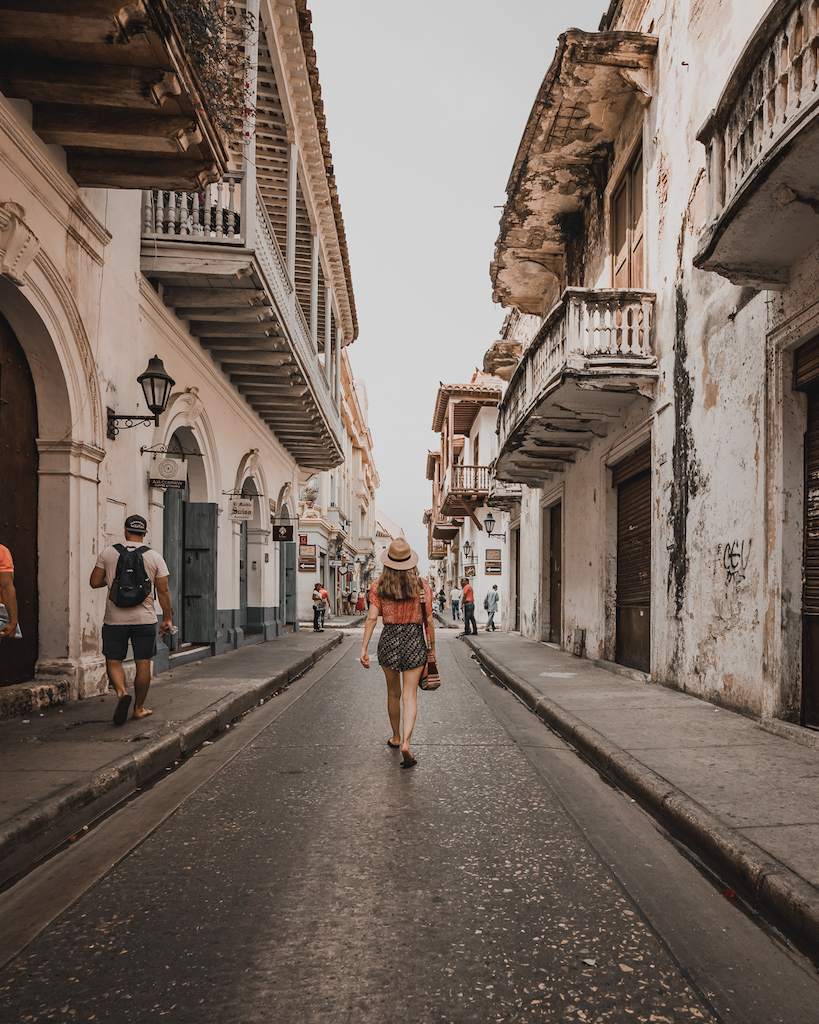
Eight artists and studios giving basketry, weaving, ceramics and woodworking a contemporary point of view.
Some of Portugal’s most compelling design stories begin at the workbench. From Lisbon to the Algarve, artists and makers are taking familiar materials in unexpected directions: reeds become sculptural objects, discarded textiles evoke coral reefs, and traditional joinery gives contemporary furniture its character.
Across these eight ateliers, inherited techniques provide fertile ground for experimentation. Basketmakers rethink form and function, textile artists explore the possibilities of reclaimed fibers, and ceramicists draw on the pottery traditions of the Alentejo. Together, they offer an intimate view of Portugal through the things made here and the people giving its craft traditions a new expression.
Atelier Toino Abel
Preserving the Portuguese art of traditional basketry through handwoven creations made from natural fibers.
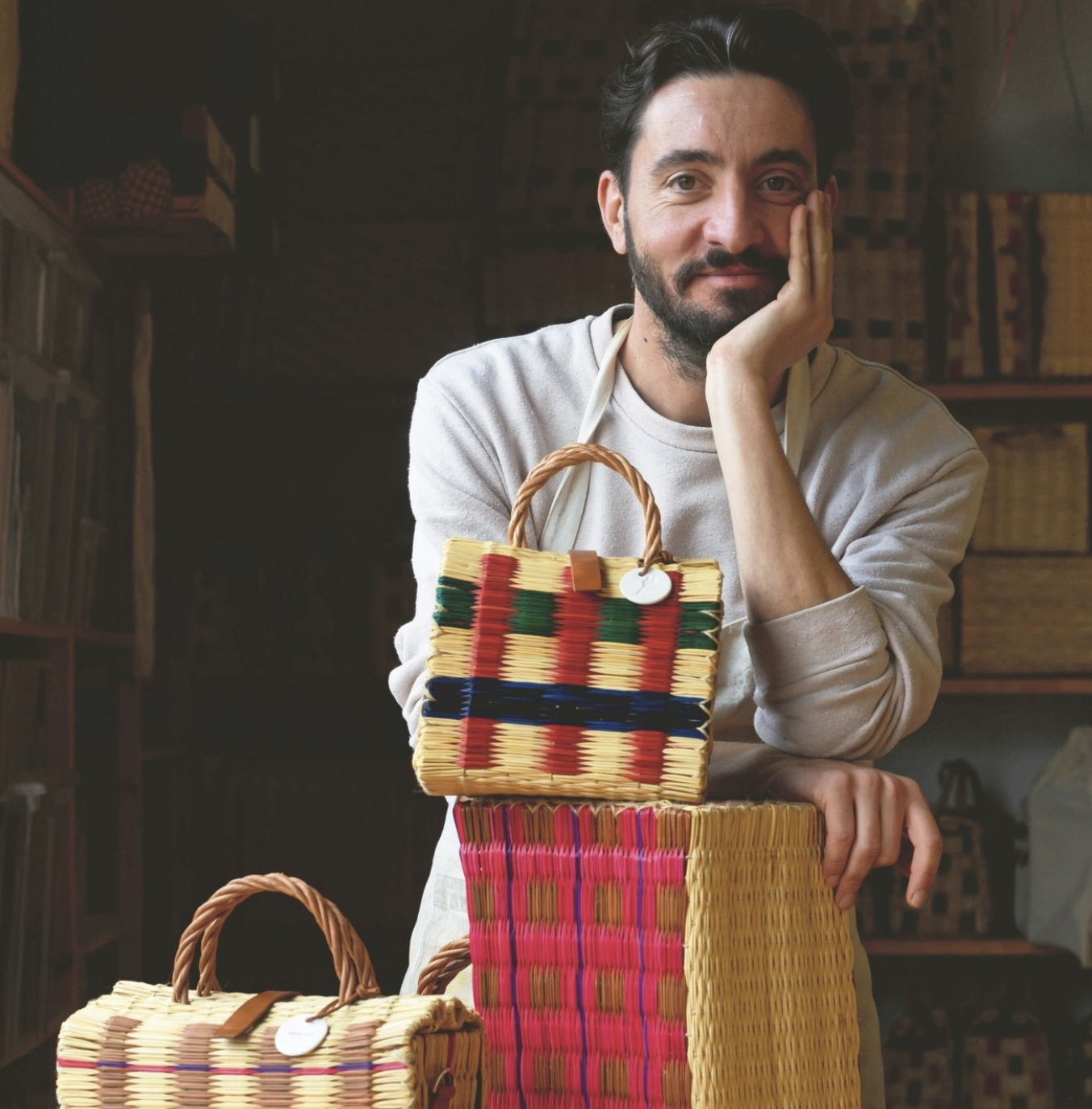
For Nuno Henriques, the founder of Toino Abel, basketmaking is bound up with family history and the future of a regional craft. After living in Berlin, he returned to Portugal, where the knowledge of older basketmakers helped shape the brand’s direction.
Handwoven reed baskets sit at the heart of the practice. Their patterns and construction carry the memory of everyday objects made to be used, while contemporary design gives them a place in new wardrobes and homes. The appeal is immediate: texture, color and the visible rhythm of weaving. Behind it lies the slower work of keeping a skill in use.
Toino Abel’s story also brings the community behind an object into view. Preserving basketry depends on people having opportunities to practice it, pass it on and earn a living from their expertise.
Vanessa Barragão
Creating nature-inspired tapestries from reclaimed textiles to champion conservation.
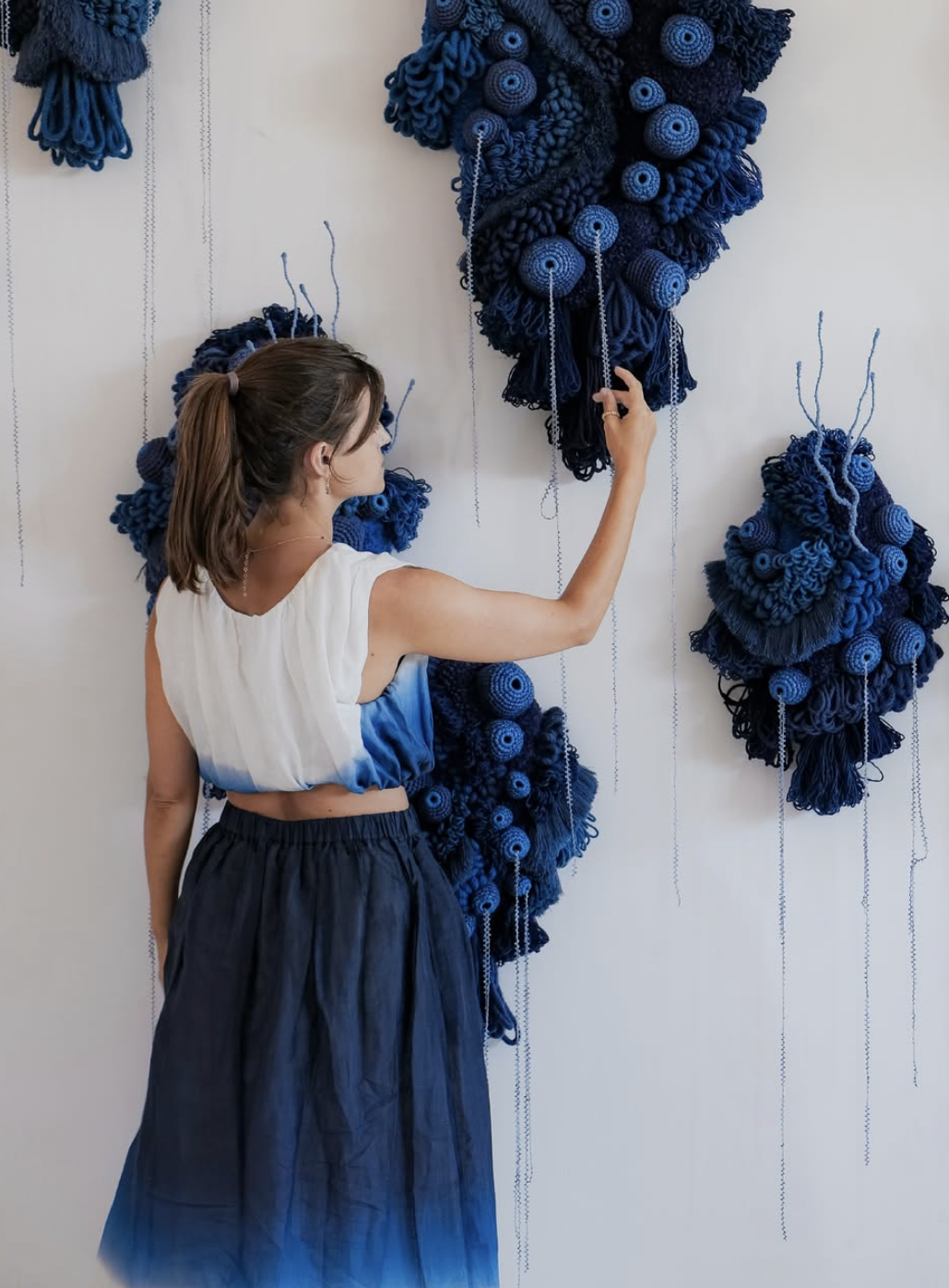
Based in Albufeira, Vanessa Barragão transforms reclaimed textile materials into densely textured works inspired by the natural world. Coral-like forms and intricate organic surfaces draw the eye closer, turning familiar fibers into landscapes that seem to grow beyond their foundations.
Her work connects the material consequences of textile production with the beauty and vulnerability of ecosystems. Reclaimed fibers become the substance of the artwork itself, giving discarded materials a new visual and emotional significance.
Traditional hand techniques allow Barragão to build these worlds with extraordinary detail. The resulting pieces invite us to linger over the forms of nature—and to consider what it takes to care for them.
Explore Vanessa Barragão’s work
Atelier Mateus
Crafting timeless furniture through traditional joinery.
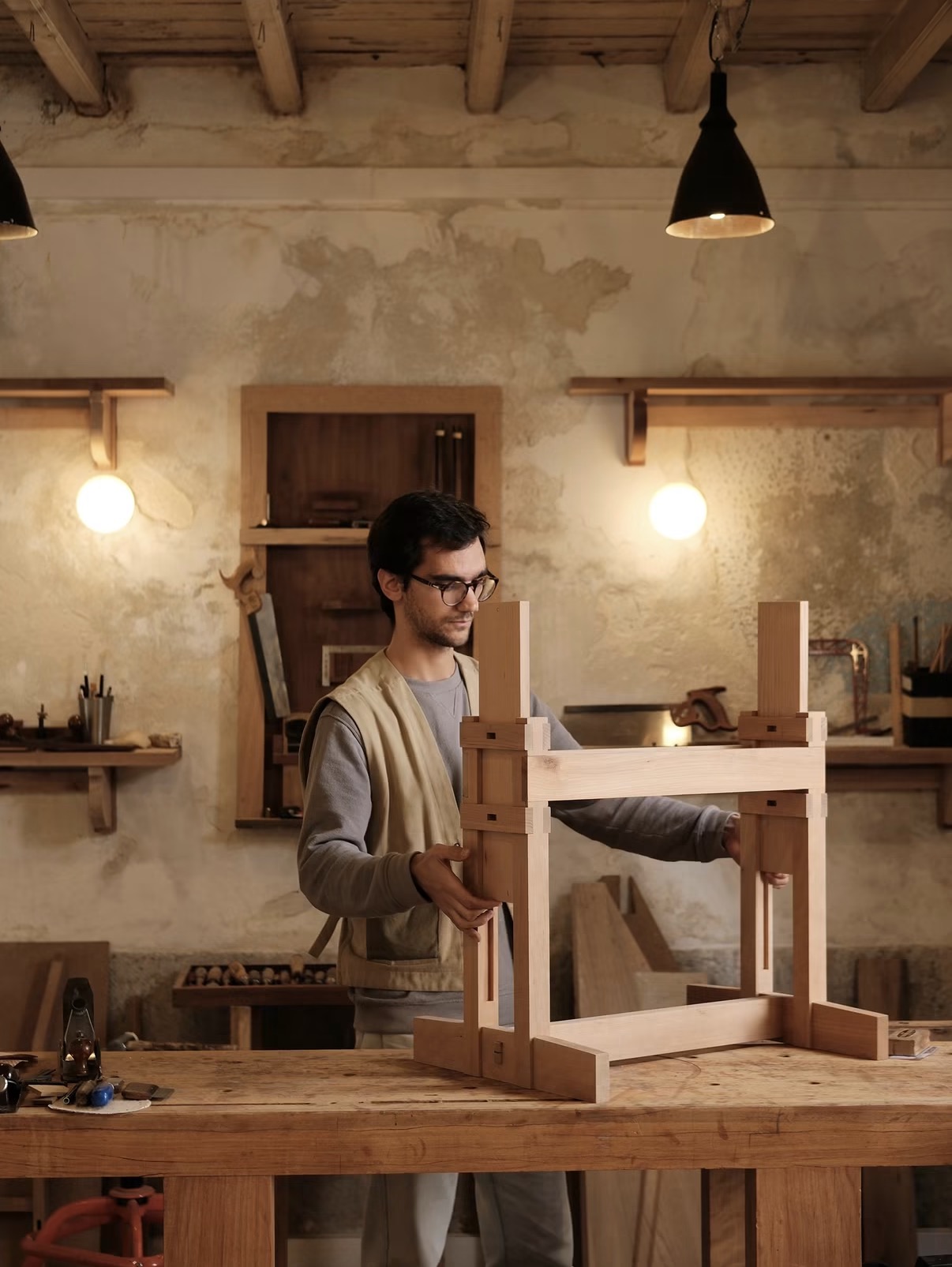
In Lisbon, Atelier Mateus builds solid hardwood furniture with close attention to the relationship between material and construction. Founded by designer and maker Tiago Mateus, the workshop places traditional joinery at the center of its practice.
Here, the way a piece is assembled helps determine its character. Connections, proportions and the natural grain of wood become part of the design. There is a quiet pleasure in furniture whose construction rewards a closer look.
The atelier’s approach encourages a longer relationship with the things we own. Wood has a history before it reaches the workshop, and careful making gives it the possibility of a meaningful life beyond it.
Mariana Ralo Atelier
Blending traditional weaving techniques with contemporary textile design.
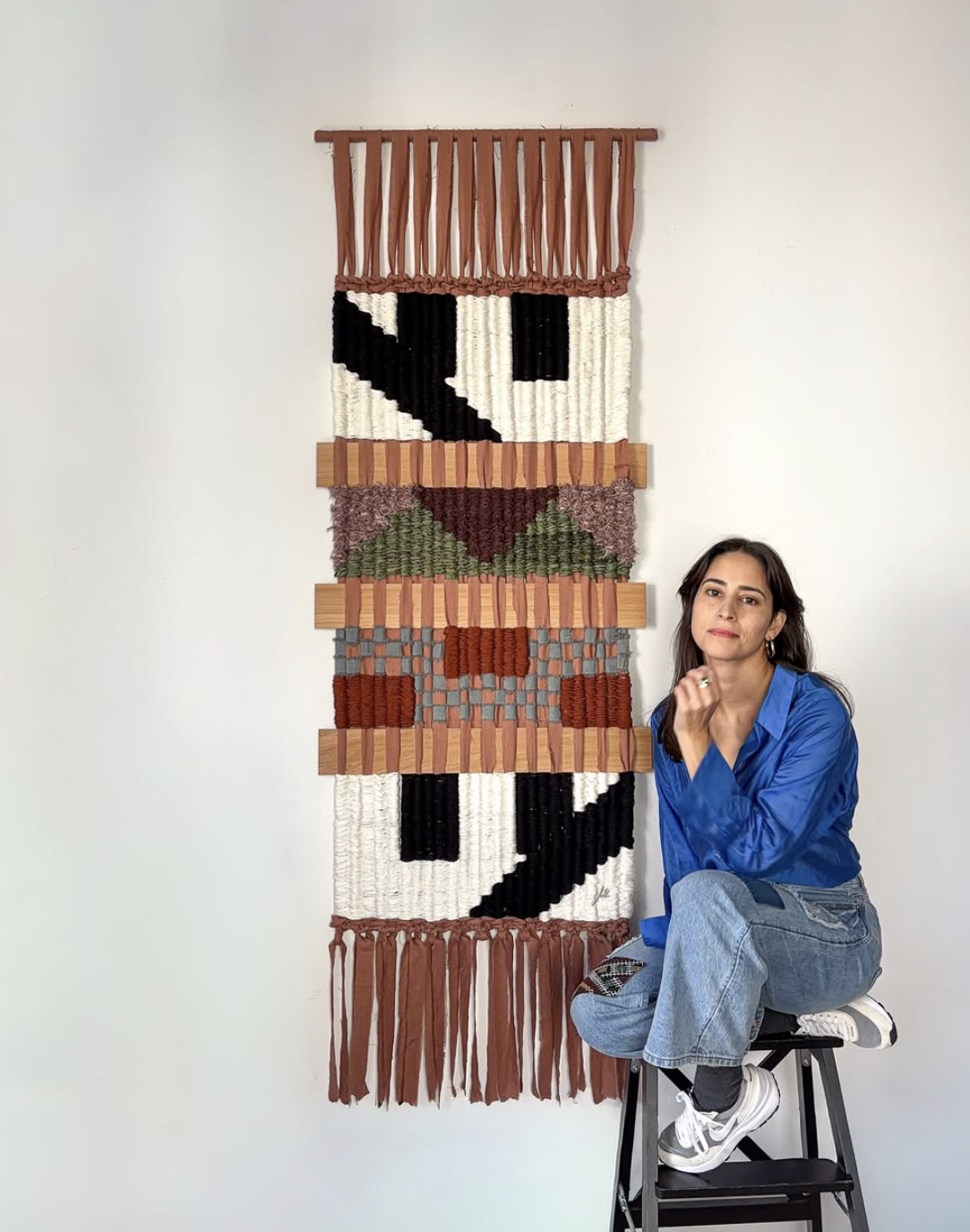
Mariana Ralo’s Lisbon atelier brings an engineer’s precision to the possibilities of handmade tapestry. Her background informs a practice in which structure and experimentation work together, with each piece designed and woven by hand.
Ancient weaving techniques become a starting point for contemporary works made for interiors. Texture, composition and the relationships between fibers give each tapestry its presence, adding another layer to the way a space is experienced.
Ralo’s work makes a strong case for textiles as an integral part of a room’s identity. A handmade piece introduces the scale and pace of human work into the architecture around it.
Malga Ceramic Design
Reimagining traditional Portuguese pottery through contemporary ceramic design.
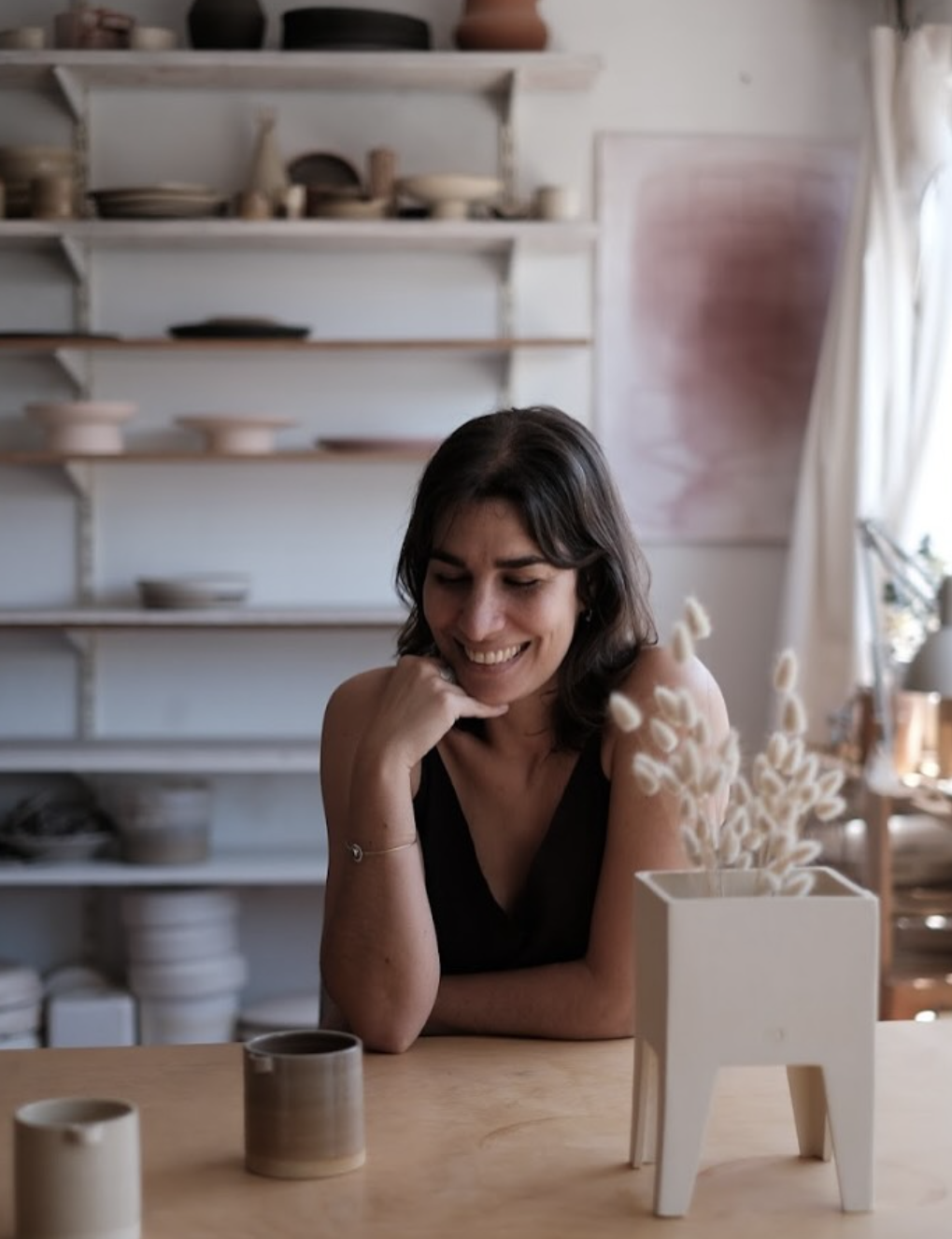
Founded by Mariana Filipe in Lisbon, Malga Ceramic Design draws on the pottery traditions of the Alentejo. The studio’s work brings that regional connection into contemporary objects, keeping the relationship between clay, function and everyday life in view.
Traditional vessels offer starting points for new interpretations. The interest lies in how a familiar form can shift through proportion, surface or use while retaining a connection to its origins.
Malga’s ceramics invite craft into ordinary routines. They encourage us to notice the shape of a vessel and the work behind it, giving objects used at home the attention they deserve.
Studio Macheia
Exploring traditional basketmaking through contemporary, sculptural forms.
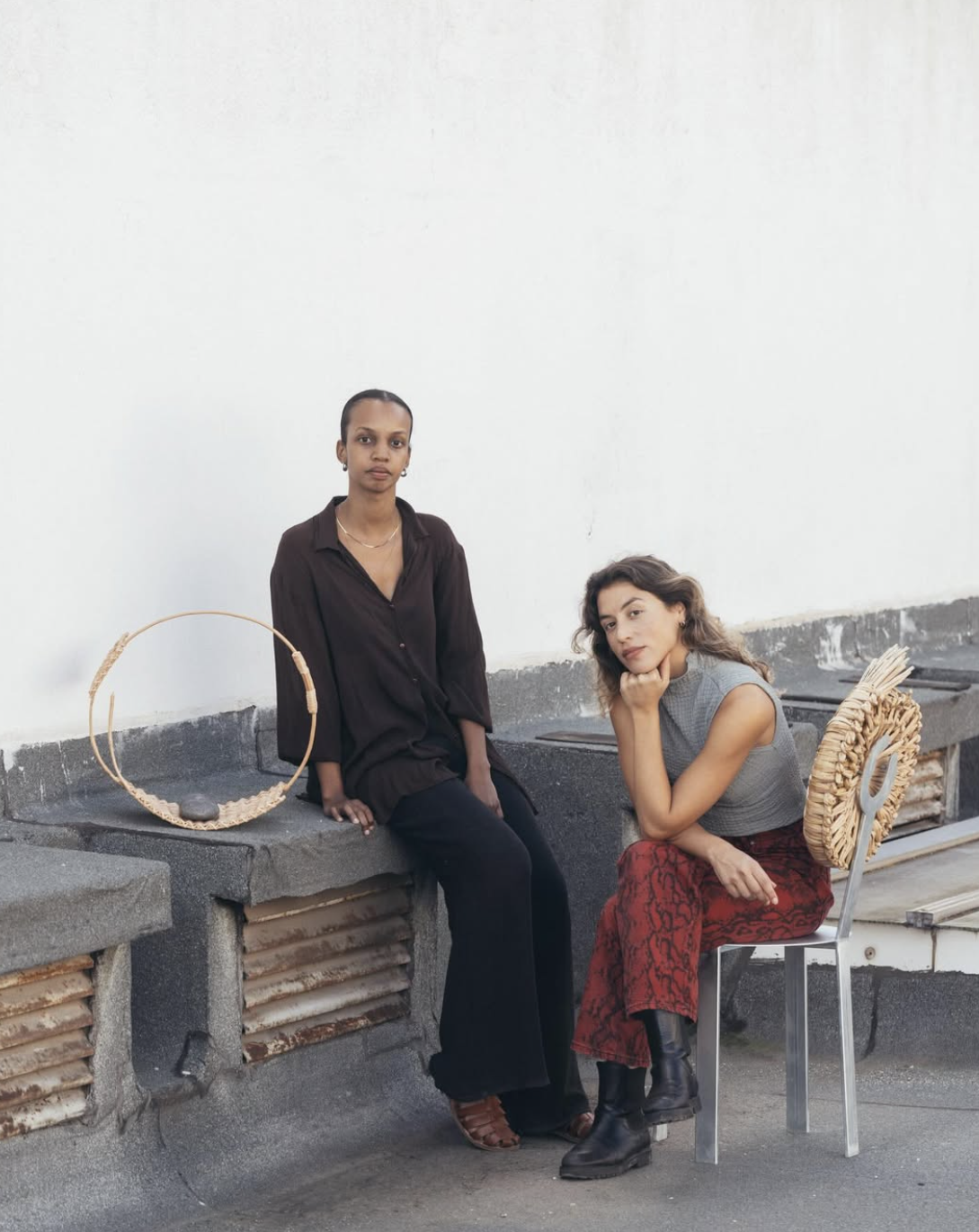
Founded by Iany Gayo and Lucrezia Papillo, Lisbon-based Studio Macheia brings backgrounds in architecture and product design to natural fibers and ancestral techniques. Their practice extends from objects to installations and private commissions.
Basketry provides both a construction method and a field for experimentation. Through changes in scale, shape and context, the studio explores how inherited knowledge can generate new work.
Macheia’s pieces make the continuity of craft visible. Techniques remain active when makers have room to learn them deeply and imagine what else they might become. In this practice, the hand is both a tool of preservation and a means of discovery.
Estúdio Ohxoja
Exploring texture and form through sculptural textiles and mixed media.
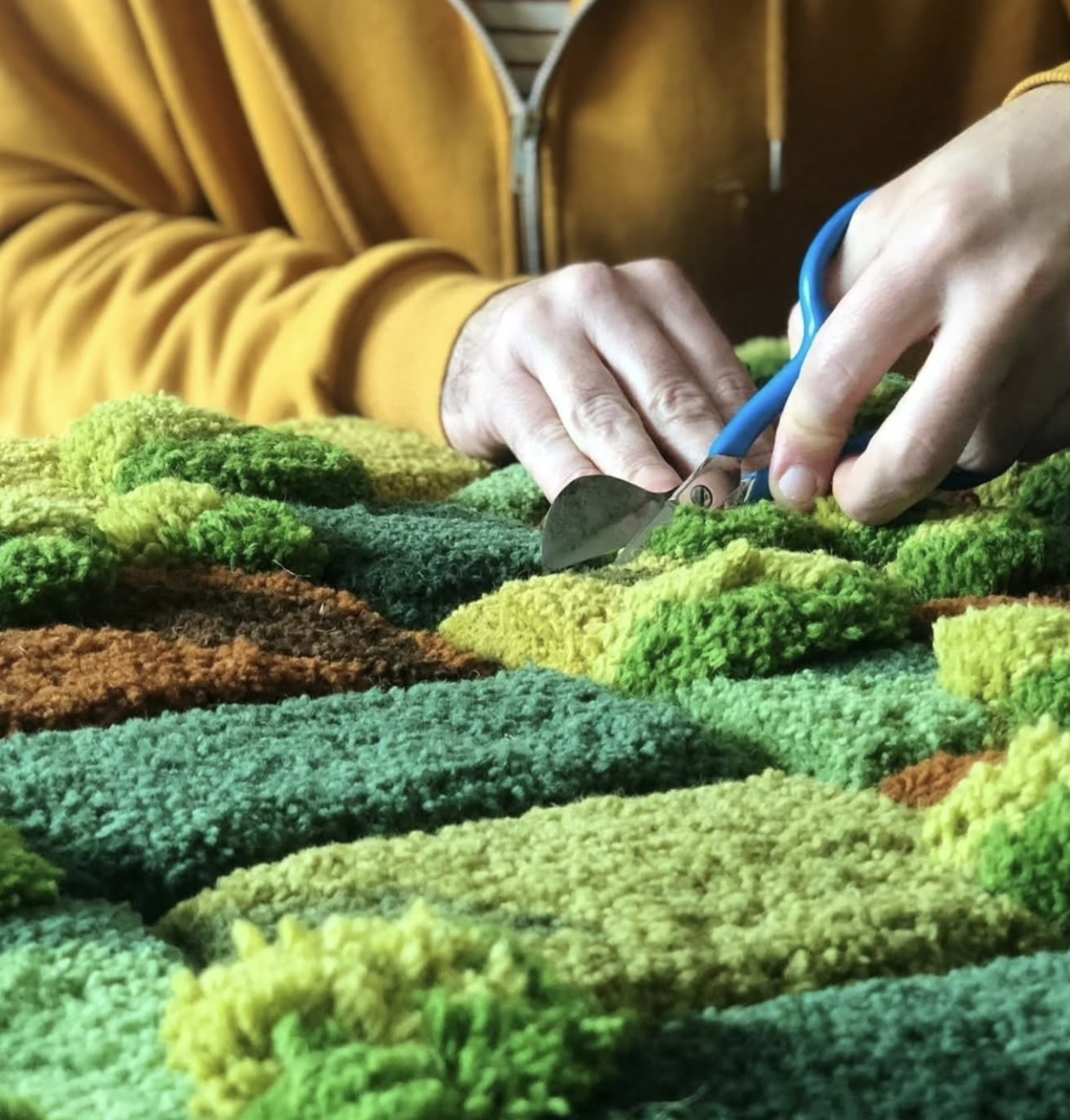
In Costa da Caparica, Catarina Cruz and Tiago Amaral lead Estúdio Ohxoja, a textile art practice that moves between traditional craft and contemporary sculpture.
Their work explores the physical presence of textiles: how fibers create depth, hold form, and change our perception of a surface. Texture becomes essential to how each piece communicates.
The studio’s approach invites a slower encounter with the work. Seen from a distance, a piece may read as a complete composition; closer inspection reveals the material decisions that give it character. That movement between the whole and its details is part of its appeal.
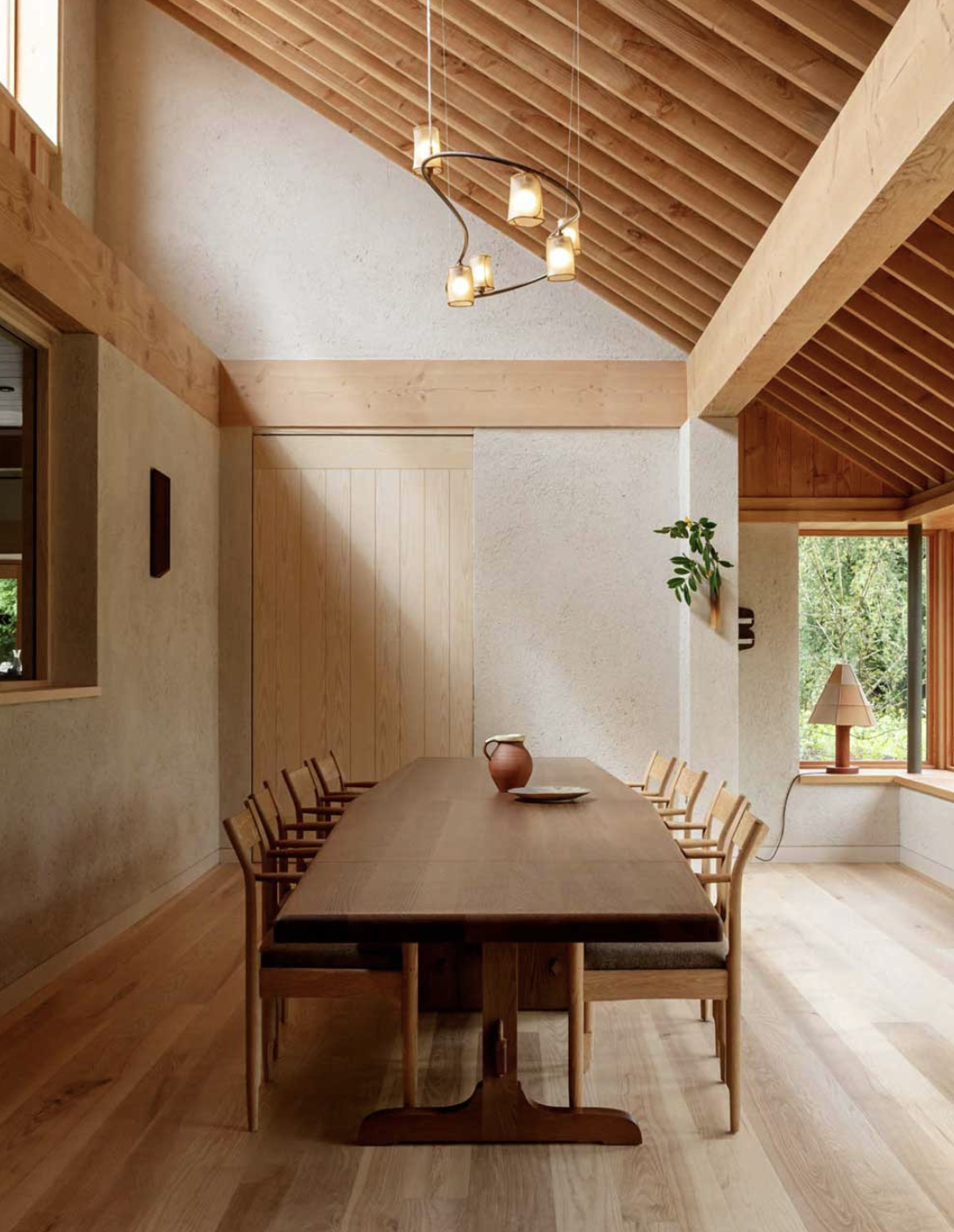
De La Espada
Crafting timeless furniture through expert woodworking and upholstery.
At De La Espada’s workshop in Mira, Portugal, craftspeople specialize in solid wood and upholstery, combining traditional joinery and handwork with advanced technology. Material knowledge supports furniture designed with close attention to both structure and touch.
The practice shows how contemporary design depends on the expertise of the people who realize it. A finished chair or table brings together many decisions, from selecting and shaping timber to assembling and finishing each component.
That interest in making also extends to Galeria De La Espada in Porto, a space dedicated to contemporary craft. Across the workshop and gallery, the company draws attention to the skill behind objects and the value of keeping that knowledge in circulation.