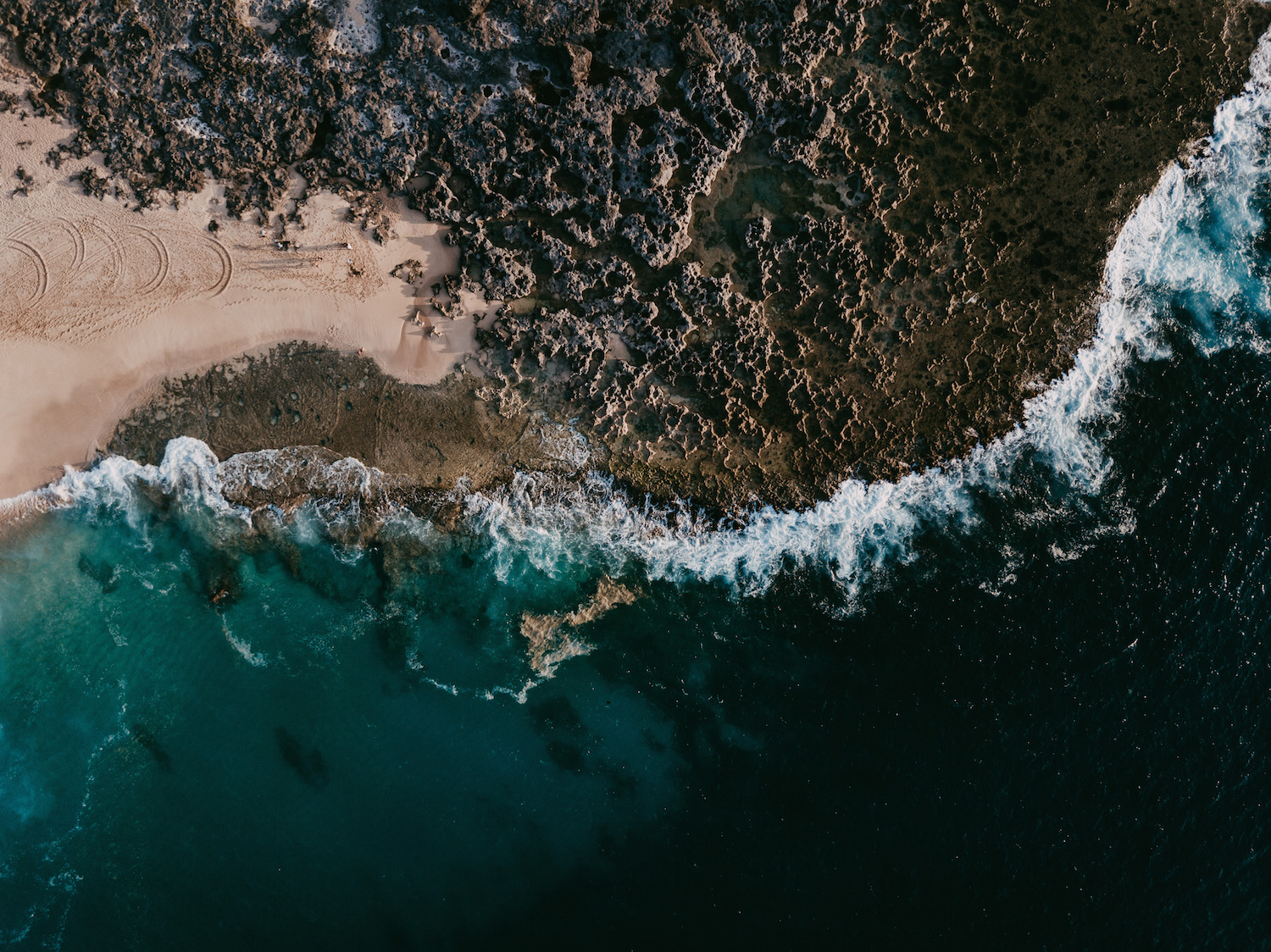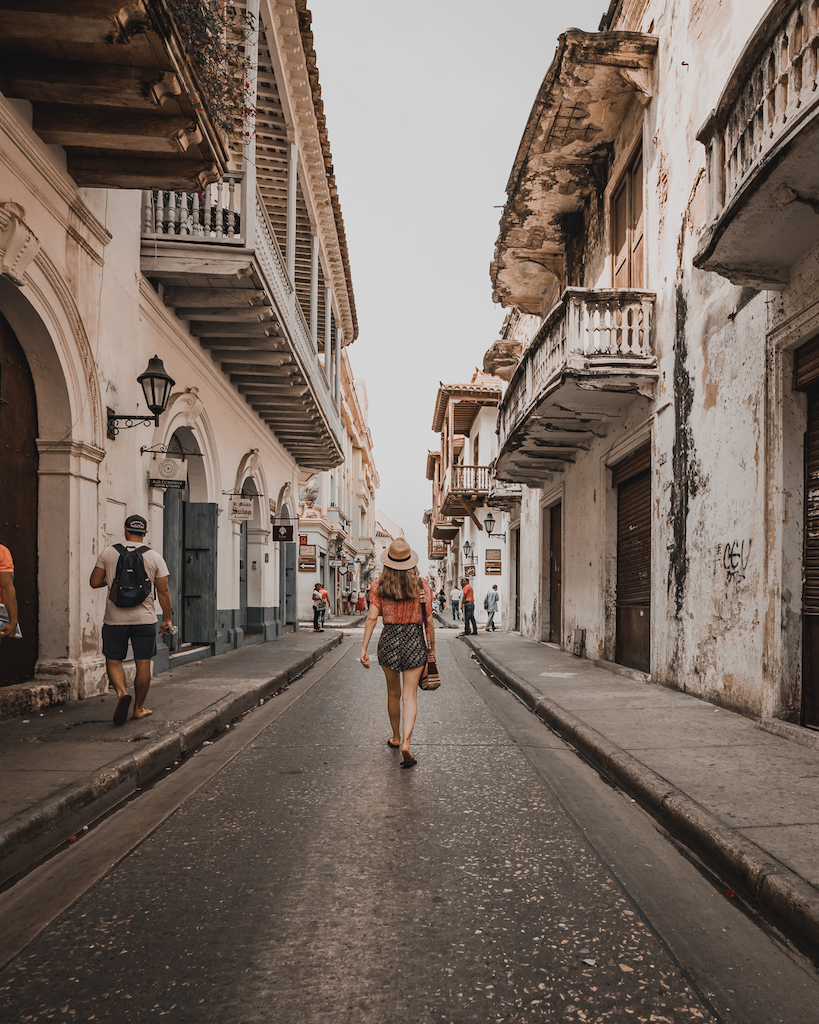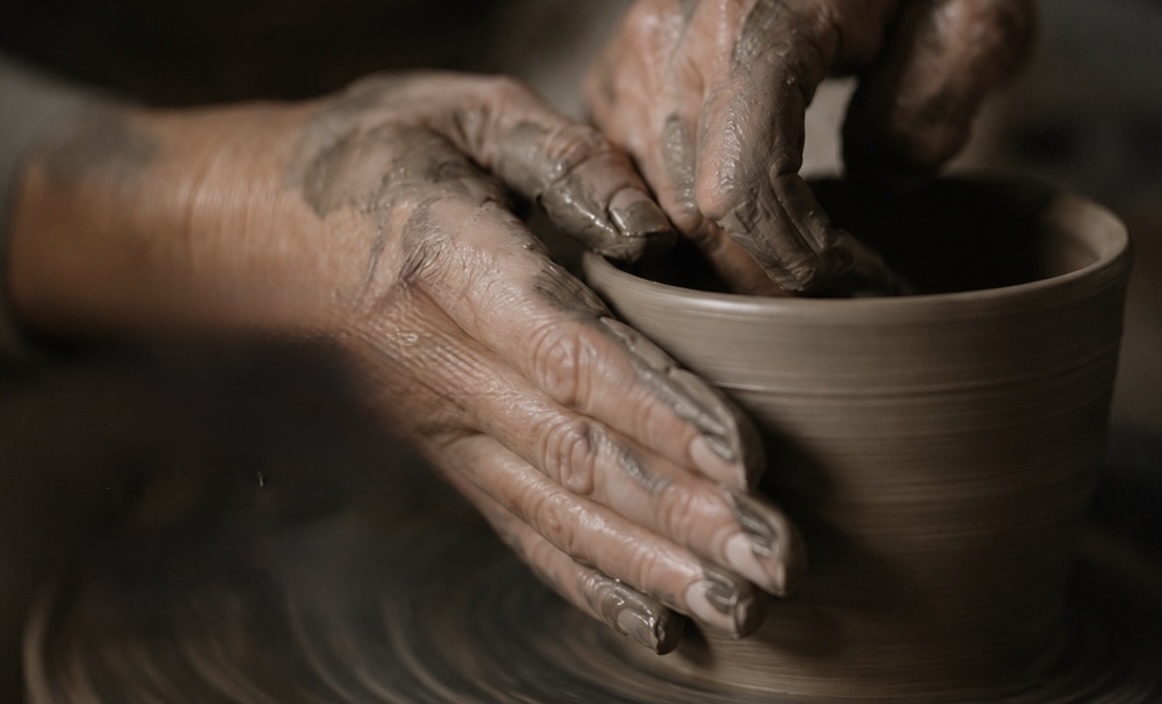
Before a potter begins shaping clay, the landscape has already done much of the work. Rain has moved through limestone. Rivers have carried sediment across valleys. Iron has oxidized beneath the ground, and volcanic matter has settled into the soil.
Clay is rarely a neutral material. It arrives with a geography. Its mineral composition determines whether a vessel emerges pale as bone or red as sun-warmed stone. The plants and woods used to fuel a firing can leave veils of ash across its surface. Humidity affects the pace at which it dries; altitude changes the behavior of a kiln. Even the forms themselves often arise from the needs of a particular place: amphorae for oil, porous jugs for cooling water, bowls for communal meals or ceremonial vessels created to hold something less tangible.
Across the world, pottery has evolved as an intimate record of this relationship between human beings and the land. In Mallorca, lime-washed clay figures carry echoes of the ancient Mediterranean. In the Rif Mountains of Morocco, women build vessels whose graphic symbols seem to belong simultaneously to the earth and to antiquity. The black pottery of Oaxaca derives its luster not from glaze, but from the alchemy of polished clay, restricted oxygen and fire.
Each tradition begins with soil. What emerges is culture made visible.
Mallorca
Clay, Lime and the Mythic Imagination of the Mediterranean
Mallorca’s ceramic identity was formed at a maritime crossroads. Phoenician, Roman, Islamic and Catalan cultures all passed through the Balearic Islands, leaving behind techniques, vessel forms and decorative languages that were absorbed into local life. Yet some of the island’s most affecting pottery remains markedly humble: porous kitchenware, earthen jugs and small figures shaped from the reddish clay beneath the Mallorcan countryside.
Among the most distinctive of these objects is the siurell, a hand-molded clay whistle whose exact origins remain uncertain. Similar whistling figures have appeared elsewhere around the Mediterranean, including Ibiza, Sardinia and Crete, suggesting a visual language that may be far older than any single island tradition. Mallorcan siurells take the form of horses, birds, demons, dancers and fantastical human figures. Once fired, they are coated in white lime and marked with quick strokes of red and green.
Their beauty lies in their refusal of realism. Limbs are abbreviated; faces become signs rather than portraits. The lime creates a chalky whiteness reminiscent of Mallorca’s stone villages, while the pigments appear almost instinctively applied. What might seem childlike is instead elemental; an art reduced to gesture, silhouette and sound.
Elsewhere on the island, functional pottery historically drew its character from calcareous local clay. Unglazed water jugs were valued precisely because they were porous: moisture moving toward the exterior evaporated in the heat, naturally cooling the water held inside. The object’s usefulness depended on the material remaining imperfectly sealed.
Contemporary Mallorcan ceramicists increasingly return to this restrained vocabulary. They allow coarse clay, pale slips and irregular firing marks to stand in place of excessive decoration. The most compelling work feels almost architectural, echoing limewashed walls, agricultural terraces and the muted interior of a stone finca. It is pottery shaped not merely on an island, but by an island’s particular balance of heat, scarcity and sea.
Puglia
Grottaglie and the Splendor of the Everyday Vessel
In Grottaglie, pottery seems to rise directly out of the town.
The historic ceramics quarter occupies a network of ravines and rock-cut spaces beneath the old center, where workshops were established close to deposits of workable clay. For centuries, potters used these cave-like studios for both production and firing, creating an artisanal district in which geology, architecture and labor became inseparable.
Grottaglie’s ceramic history is preserved in a museum housed within the medieval Castello Episcopio. Its collections move between archaeological fragments, traditional household pottery, majolica, devotional pieces and contemporary ceramics—a reminder that the town’s tradition was never confined to a single style.
The oldest Grottaglie wares were not conceived as decorative luxuries. They were made for olive oil, wine, grain and water. Enormous storage jars known as capasoni acquired swelling bodies and narrow mouths because those proportions served the rhythms of an agricultural household. Their surfaces could be left rough, glazed around the opening or marked simply with the potter’s hand.
There is grandeur in these utilitarian forms. A monumental capasone possesses the gravity of ancient architecture: broad, balanced and almost bodily. Its beauty is not applied afterward but resides in proportion in the quiet intelligence of an object refined over centuries of use.
Later traditions brought more vivid ornament. Tin-glazed majolica created a pale ground on which artisans painted flowers, foliage and flourishes of cobalt, green, ochre and manganese. Other pieces embraced schizzato, a lively splatter technique in which pigment is flicked across the surface, producing ceramics that feel spontaneous and sunlit rather than ceremonious.
Grottaglie is also known for the pumo, a ceramic bud modeled after a flower about to open. It appears on balconies, gateposts and interior shelves throughout Puglia as a symbol of renewal and good fortune. Its layered leaves taper toward a point, transforming a botanical form into something almost architectural.
The town’s finest ceramics exist between abundance and restraint. They carry the warmth of iron-bearing earth, yet they can also become exuberant fields of color. They are rooted in kitchens and farms, but capable of sculptural presence. In Grottaglie, the everyday vessel was never merely practical. It was one of the ways beauty entered daily life.
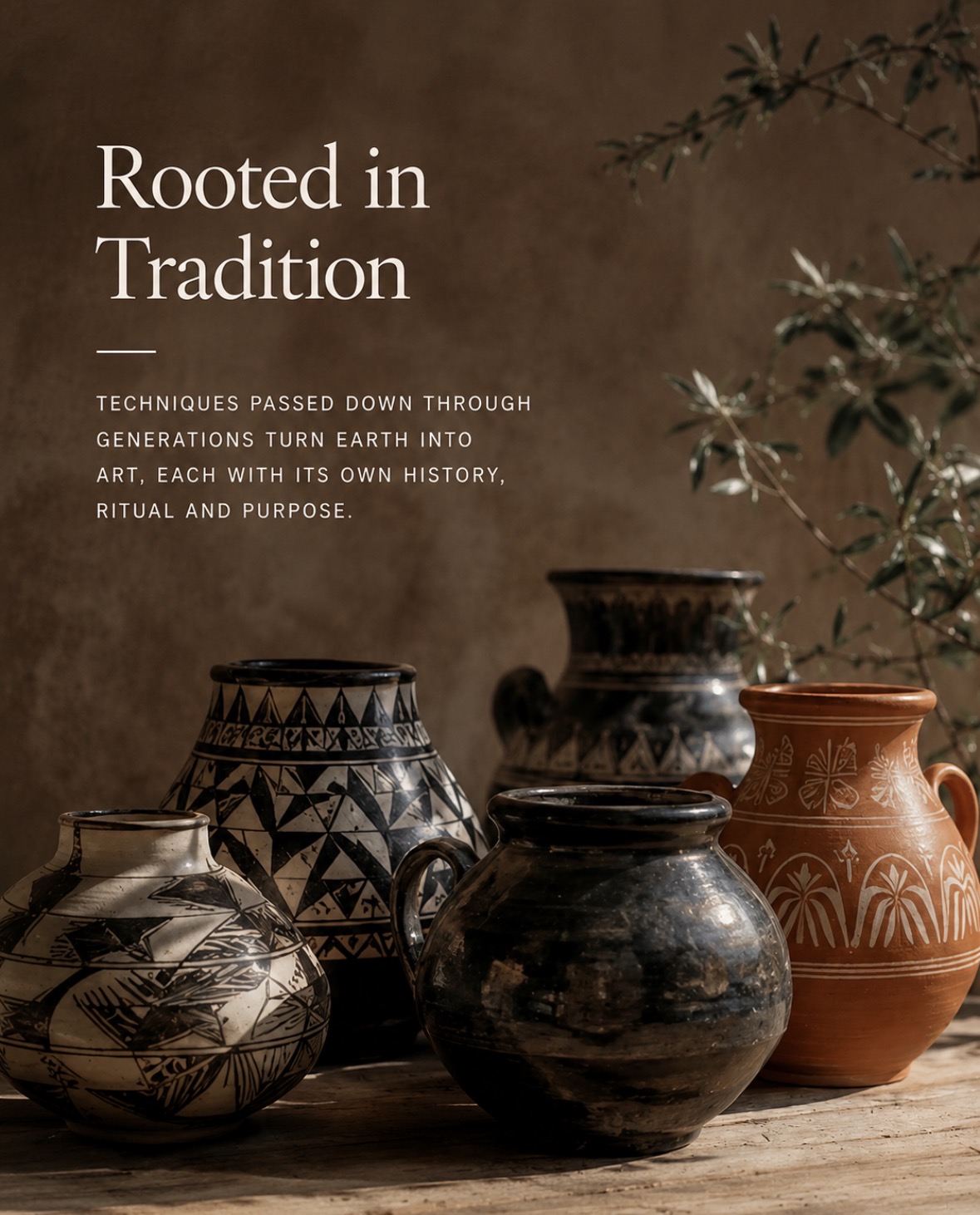
Oaxaca
The Luster Hidden Inside Black Clay
Oaxaca is not defined by a single ceramic tradition. Its valleys contain villages whose pottery can differ dramatically in color, firing method and form, each community maintaining its own relationship with the surrounding earth.
San Bartolo Coyotepec is best known for barro negro, although the village’s pottery was not historically the glossy black now associated with the name. For much of its history, local vessels emerged from the kiln in shades of matte gray and charcoal. They were sturdy objects used for storing and transporting liquids, formed from clay gathered nearby and fired in an atmosphere with limited oxygen.
The brilliant black surface familiar today developed in the 20th century through the work of the potter Doña Rosa Real Mateo de Nieto. In the 1950s, she refined a method of polishing the nearly dry clay with a smooth quartz stone before firing it at a lower temperature. The compressed surface reflected light differently, producing an almost metallic sheen without the use of glaze.
This innovation changed the visual identity of barro negro. It also altered its function. The lower firing temperature made many polished pieces more fragile and less suitable for carrying water, encouraging a movement away from household utility and toward sculpture and decorative art.
Yet fragility is part of the technique’s beauty. Light moves across the burnished surface like water over obsidian. Incised patterns create a delicate tension between darkness and open space, while cutwork allows air and illumination to enter the vessel itself. A material drawn from the ground begins to resemble polished stone or metal, but never entirely loses the softness of something shaped by hand.
In Santa María Atzompa, another Oaxacan ceramic language developed around green-glazed earthenware. The glaze was introduced during the colonial era, when European kiln and glazing practices were added to much older Indigenous methods of forming clay. The resulting green ranges from translucent olive to a deeper, glassy emerald, gathering unevenly in recesses and along rims.
Nearby communities are known for red clay, natural slips and sculptural figures that preserve Zapotec and Mixtec visual traditions while responding to contemporary life. These are not static survivals from the past. Oaxacan pottery continues to evolve through individual artists and family workshops, where inherited knowledge becomes a point of departure rather than a limit.
Its richness lies in this plurality. Oaxaca reveals that clay can carry ancestral memory without being held captive by it.
Mashiko, Japan
Where Fire Is Allowed to Finish the Work
Mashiko’s reputation as an ancient pottery center can be misleading. Although ceramics were produced in the wider region earlier, the town’s recognized pottery tradition dates largely to the mid-19th century, when the potter Keizaburō Ōtsuka is said to have established a kiln there after studying in nearby Kasama.
The region offered the materials necessary for a working pottery town: local clay, glaze ingredients and timber for fuel. Mashiko ware developed primarily as robust household pottery: jars, bowls, teapots and bottles made for ordinary use rather than courtly display.
Its history changed profoundly in the 20th century when Shōji Hamada settled in Mashiko. Hamada became one of the central figures of the Japanese mingei movement, which found beauty in anonymous, functional objects made by skilled craftspeople. Rather than treating the irregularities of handmade work as flaws, mingei understood them as evidence of material, process and human presence.
Mashiko ultimately became home to a remarkably broad community of makers; today the town contains hundreds of pottery workshops and dozens of ceramic shops.
Traditional Mashiko clay can be coarse and rich in iron, giving finished vessels a substantial, earthy character. Potters have worked with glazes made from locally available materials, including ash and stone. Creamy slip, iron-rich brown, black glaze and green copper glaze became part of the region’s visual vocabulary.
During firing, ash carried through a wood-burning kiln may settle unpredictably across a vessel. At high temperatures it can fuse with the clay and glaze, creating softened edges, translucent runs and small accumulations of glassy matter. The potter establishes the conditions, but flame completes the surface.
This surrender is central to Mashiko’s beauty. A bowl may lean slightly. Glaze may pool more deeply on one side or break thinly across a ridge left by the potter’s fingers. What emerges is not an imperfect version of a standardized object. It is a singular record of movement: wheel, hand, gravity and fire.
Mashiko ware asks to be touched. Its weight, warmth and quiet asymmetry are fully understood only in use, when a tea bowl becomes an intimate landscape held between two hands.
Morocco’s Rif Mountains
An Ancient Graphic Language Shaped by Women
In the Rif Mountains of northern Morocco, pottery has traditionally belonged to women.
Working within rural Amazigh communities, potters have gathered clay from nearby deposits and built vessels by hand without relying on the fast wheel. The clay is cleaned, tempered and formed through coiling or modeling, then smoothed with simple tools. Pieces may be fired outdoors or in elementary kilns using brush, straw, dung or wood gathered from the surrounding landscape.
The practice is closely related to ancient hand-building traditions found across the western Mediterranean and North Africa. Morocco’s Borj Belkari pottery museum holds Rif ceramics and documents their development from prehistoric periods into the present, underscoring the extraordinary continuity of the region’s methods.
Rif pottery can appear startlingly modern. Against warm clay, women paint angular patterns using dark mineral pigments. Triangles, chevrons, grids, crosses and branching lines move around the vessel with a rhythmic clarity. Similar motifs appear in Amazigh weaving, tattoo traditions and architectural decoration, forming part of a wider visual language whose meanings can vary between communities and makers.
The vessels themselves are often asymmetrical. A neck may tilt, a handle may rise unevenly, the painted lines may thicken where the brush first touched the surface. These variations give the work its vitality. The pot does not conceal its making.
Unlike ceramics produced for formal urban markets, Rif pottery historically served the household. Women made jars for water and grain, cooking vessels, churns, braziers and containers associated with food preparation. Knowledge moved through observation and kinship, from one generation of women to another.
Its beauty emerges from directness. Clay remains visibly clay; pigment remains close to the minerals from which it was made. Decoration does not disguise the vessel but animates its structure. A band of triangles emphasizes a widening shoulder. Parallel lines encircle the body like paths across cultivated land.
In these objects, domestic work and artistic expression are not separate categories. The useful object is already an artwork, and the maker is both custodian and innovator of a tradition written in earth.
New Mexico
Pueblo Pottery and the Ceremonial Life of the Desert
New Mexico cannot be represented by one style of pottery. Its Pueblo communities maintain distinct ceramic traditions, each shaped by local materials, family lineages and cultural knowledge that belongs first to the people who carry it.
Pottery has been made in the greater Southwest for well over a thousand years. By approximately 400 to 500 CE, ceramic vessels were being produced in the Mesa Verde region. Ancestral Pueblo potters created cooking pots, storage jars and finely painted serving vessels, including black-on-white ware whose geometric designs were applied using pigments derived from plants or iron-bearing minerals and brushes made from yucca fiber.
These early ceramics reveal a sophisticated visual intelligence. Repeated triangles, stepped forms and interlocking bands were fitted to curved surfaces with extraordinary precision. The patterns appear to expand and contract as the vessel is turned, transforming a domestic object into an experience of rhythm and movement.
At Acoma Pueblo, potters became known for thin-walled vessels built by coiling and decorated with intricate geometric, botanical and animal designs. The pale body of traditional Acoma pottery provides a luminous ground for fine black lines and warm earth pigments. The forms often possess an arresting lightness, as though the mass of the clay has been transformed into drawing.
At Santa Clara and San Ildefonso pueblos, iron-rich clays are associated with polished blackware. In the early 20th century, San Ildefonso potter Maria Martinez and her husband, Julian Martinez, helped revive and refine a black-on-black technique inspired in part by archaeological pottery from the region. A polished surface was contrasted with matte-painted designs, while a carefully managed reduction firing turned the iron-bearing clay black.
The effect is subtle and profound. Rather than depending on bright pigment, the decoration becomes visible through changes in reflected light. A feather, cloud or geometric band appears when the vessel moves or when the viewer changes position. Image and earth remain the same color; surface alone creates distinction.
Maria Martinez’s international recognition contributed to a broader revival of Pueblo ceramics, but the tradition has always extended beyond a single artist. Potters continue to gather and process natural clay, form vessels by hand and work within practices learned through families and communities. San Ildefonso itself is recognized for its important role in the revival of Pueblo pottery, while contemporary Santa Clara artists continue ancestral hand-coiling traditions.
These works should not be understood simply as regional décor. They emerge from living sovereign cultures, and their designs may carry family, community or ceremonial significance not intended for unrestricted interpretation.
Their beauty is inseparable from this depth. A Pueblo vessel holds more than the marks of a landscape. It can hold continuity, responsibility and a relationship with place that extends far beyond ownership.
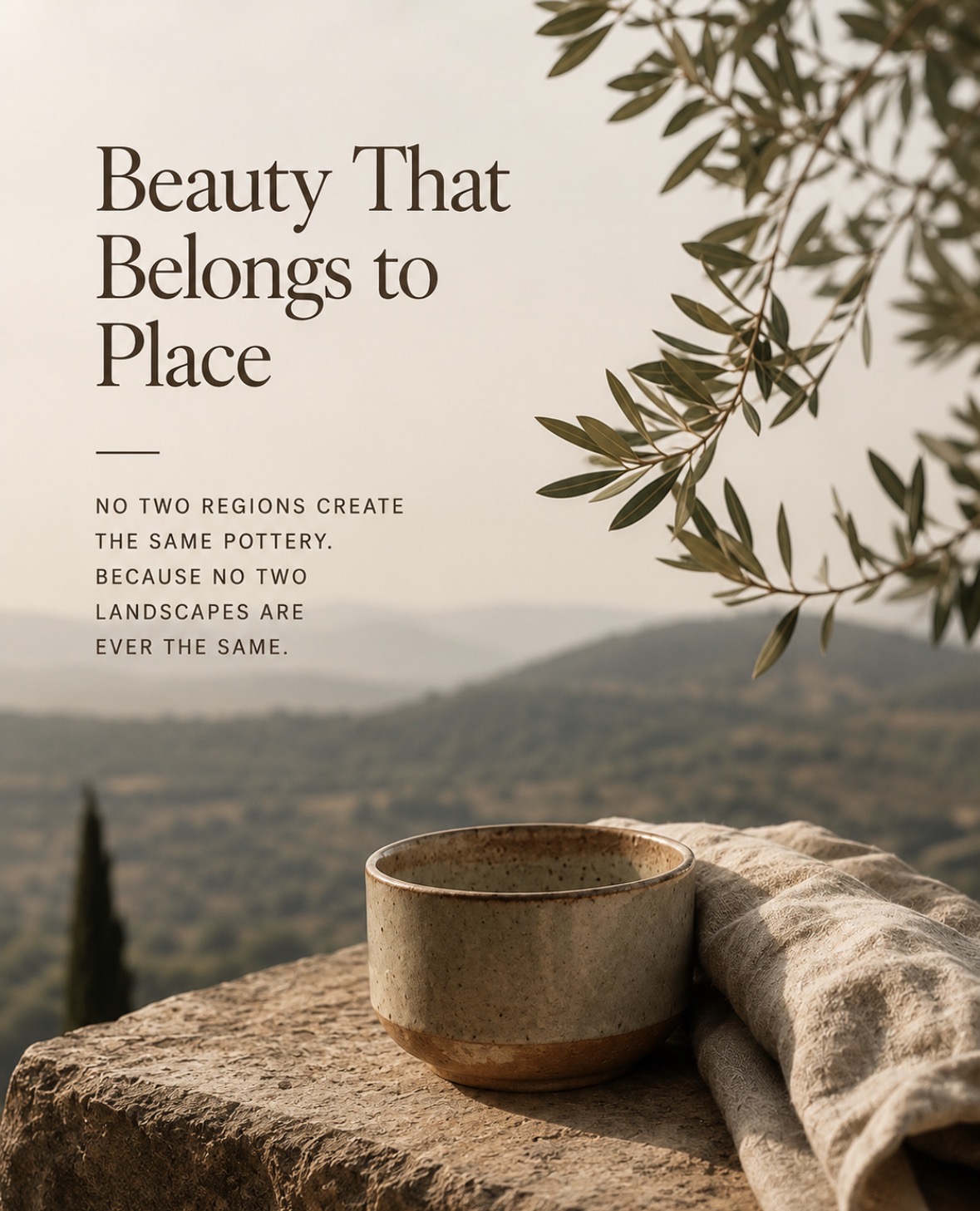
The Landscape Is the First Artist
Industrial manufacturing can reproduce a silhouette with near-perfect consistency. What it cannot reproduce is the history contained within local earth. Nor can it replicate the cultural knowledge that teaches a maker when clay is ready to be formed, how slowly it must dry or how a firing should be read by color, scent and sound.
The most powerful regional ceramics are beautiful because they do not attempt to erase these circumstances. They allow origin to remain visible.To hold such a vessel is to encounter an accumulation of forces: mineral and human, ancient and immediate. The potter may give the clay its form. But the landscape gives it its voice.