Europe is a leading destination for cultural journeys, with each region shaped by its own history, architecture, and daily routines. A morning market, a workshop tucked behind a main square, or a building still used the way it was centuries ago can shape how a place feels more than any headline attraction. Cultural travel here often comes down to paying attention to how people use these spaces day to day.
Here are five destinations where that kind of immersion comes naturally, spanning vineyard regions, coastal towns, and historic city centers.
Vineyard Heritage and Gastronomic Traditions in France
In Burgundy, wine culture sits closely alongside everyday life. In towns like Beaune, the Hospices de Beaune anchors the old center, its tiled roof standing out as soon as you arrive. A few streets away, Les Halles market fills with local produce, cheeses, and cured meats that reflect what’s grown and made in the surrounding countryside.
The best way to enjoy Burgundy wine holidays is to focus on experiences centered around small domaines across villages like Pommard and Meursault. Tastings often take place in cellars that have been in use for generations, with producers guiding visitors through vineyards just outside their doors. These visits highlight how soil, exposure, and seasonal changes shape each bottle, adding context once you sit down to taste the wines themselves.
Back in Beaune, streets like Rue de Lorraine and Rue Monge stay active throughout the day, with wine shops and local businesses opening directly onto the pavement. The town doesn’t feel staged for visitors; it functions as a working center of the region, and that’s what makes time here feel grounded.
Sustainable Architecture and Artisan Communities in Denmark
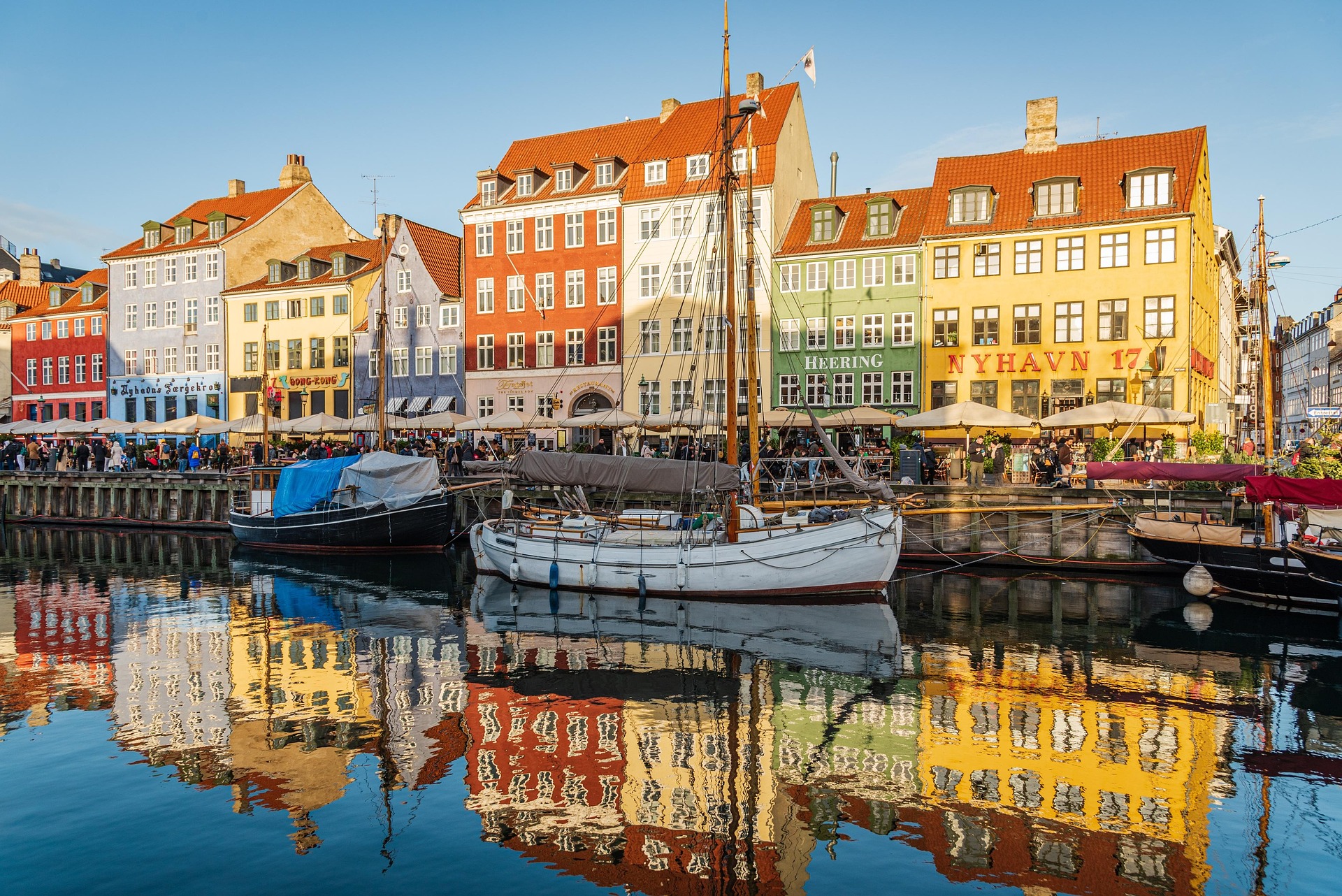
Copenhagen’s approach to design shows up quickly once you start paying attention to its buildings and public spaces. In the Nordhavn district, former industrial areas now include modern waterfront housing and shared spaces built with sustainability in mind. Materials are carefully considered, and even small details like bike storage or communal courtyards are integrated into daily use.
Around Christianshavn, streets like Wildersgade and Strandgade feature older structures while newer design studios and workshops operate inside them. This mix comes into focus when you walk through courtyards or step into smaller galleries, where furniture makers and ceramic artists work on-site. It’s common to see pieces in progress, not just finished displays.
Torvehallerne market near Nørreport brings another side of local culture into view. Vendors focus on regional produce and simple preparation, and the space itself reflects the same design principles seen elsewhere in the city. Copenhagen doesn’t separate its creative industries from everyday life; they’re part of the same environment, visible in how people live and work across the city.
Iconic Volcanic Landscapes and Private Exploration in Greece
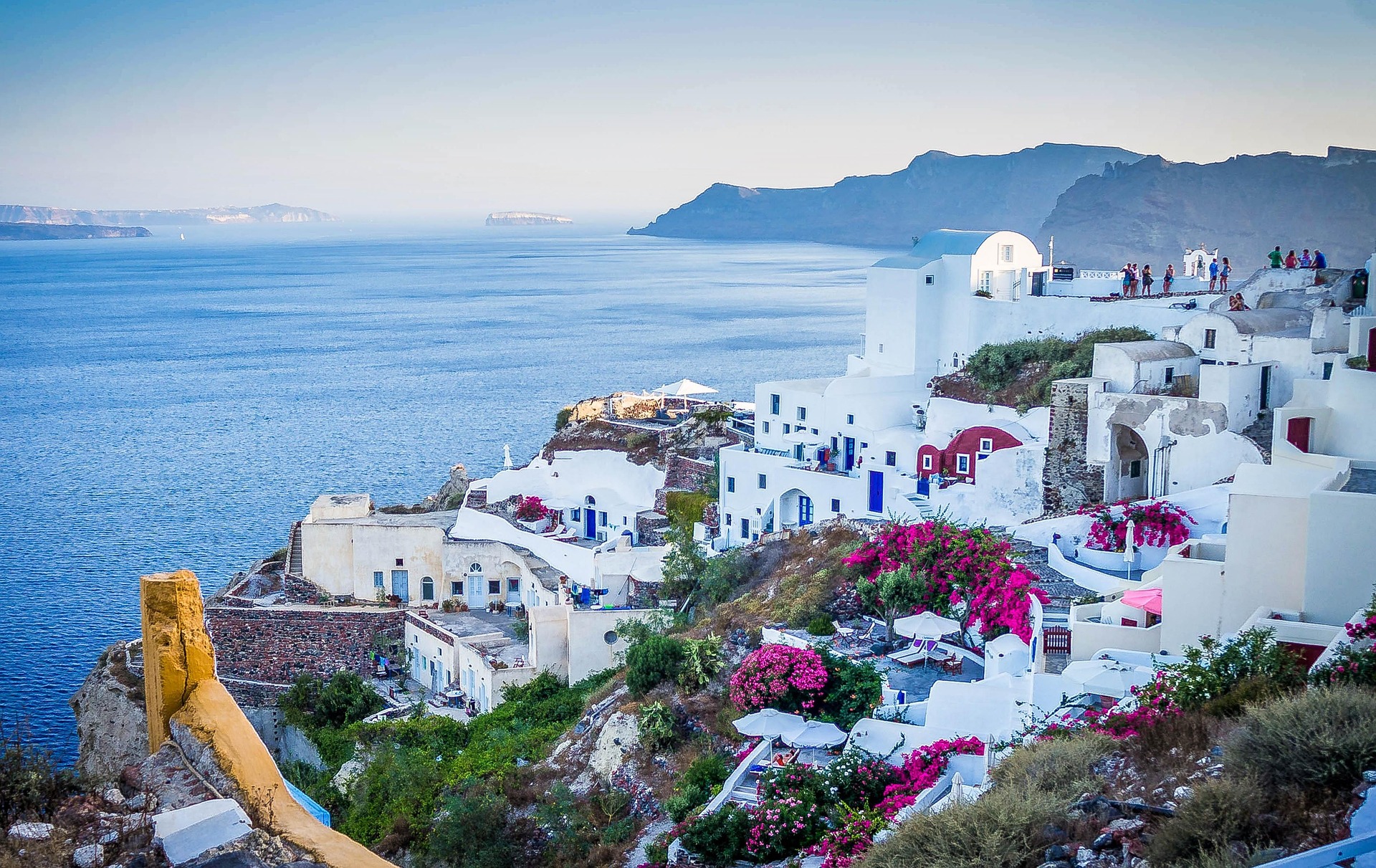
Santorini’s volcanic landscape shapes everything that happens on the island. In Oia, narrow paths wind past whitewashed buildings toward viewpoints overlooking the caldera, with the remains of the old castle marking one of the highest points in the village. The light changes constantly throughout the day, and that influences how the setting is experienced.
Many visitors choose to go on private tours in Santorini, especially those focused on areas like Pyrgos or Megalochori. These villages sit away from the main caldera edge and offer a different perspective on the island’s history. Local guides often bring people through smaller streets and into family-run wineries or historic homes, highlighting details that are harder to pick up on your own.
In Fira, streets like 25is Martiou stay busy with shops and everyday activity, while the Archaeological Museum provides a clearer look at the island’s past. The volcanic terrain remains visible across all of these areas, whether in cliff formations, soil color, or how buildings are positioned.
Medieval History and Coastal Preservation in Croatia
Dubrovnik’s Old Town holds onto its medieval structure in a way that still feels functional. Walking through Pile Gate brings you straight onto Stradun, the main street that runs through the center, lined with stone buildings that house small shops and local restaurants. Daily life plays out along this street, where cafés, shops, and passing conversations shape the atmosphere throughout the day.
Side streets branch off toward quieter corners, including Gundulić Square, where a morning market sets up with local goods and produce. The Rector’s Palace and Sponza Palace sit within a short distance of each other, offering insight into how the city once operated as an independent republic.
Along the edges of the Old Town, the city walls remain one of the most intact features of Dubrovnik. From up there, you can see how tightly the buildings fit together and how the coastline shapes the layout. Outside the walls, areas like Ploče and Lapad continue daily life at a steadier pace, with residents moving through spaces that feel less defined by tourism.
Renaissance Artistry and Culinary Preservation in Italy
Florence’s historic center stays active throughout the day, with Piazza del Duomo acting as a natural focal point. The Cathedral, Giotto’s Campanile, and the Baptistery sit close together, their scale and positioning shaping how people move through the square. It’s a place where routes naturally converge, with a steady flow of locals and visitors passing between surrounding streets.
Via dei Calzaiuoli leads toward Piazza della Signoria, where Palazzo Vecchio overlooks a steady flow of locals and visitors. Nearby, the Uffizi Gallery houses works that shaped much of what people associate with the Renaissance. Crossing Ponte Vecchio, the small shops built along the bridge remain in use, maintaining a long-standing tradition of trade.
Food culture sits just as firmly within the city. Mercato Centrale brings together local ingredients and regional delicacies, while smaller bakeries and food shops around San Lorenzo continue routines that haven’t changed much over time.
Ready to explore Europe’s cultural heart?
The places above reveal more once you spend time in their everyday settings. In Burgundy, it’s the way vineyards and local markets sit at the center of daily routines. Copenhagen shows how design and craftsmanship are built into ordinary spaces. Santorini’s landscape shapes how villages function, not just how they look. Dubrovnik carries its medieval structure into the present, with streets and squares still in constant use. Florence brings together art, architecture, and food culture on similar blocks.
After a while, the landmarks matter less on their own. What stays with you is how each place operates, from the first market stalls opening in the morning to the quieter streets later in the day.