Slow travel doesn’t mean doing nothing. It’s about engaging more deliberately, paying attention to where you are rather than where you’re supposed to be next. For people looking to spend less time on screens, certain destinations make that easier than others. Not because they’re empty or remote for the sake of it, but because daily life draws focus toward geography, rituals, and physical movement.
This guide looks at places where landmarks, landscapes, and local customs naturally replace mindless scrolling. These aren’t destinations that demand constant documentation. They’re places where the environment quietly sets the pace and gives the mind something else to hold onto.
Secluded Serenity and Azure Horizons in Turks and Caicos
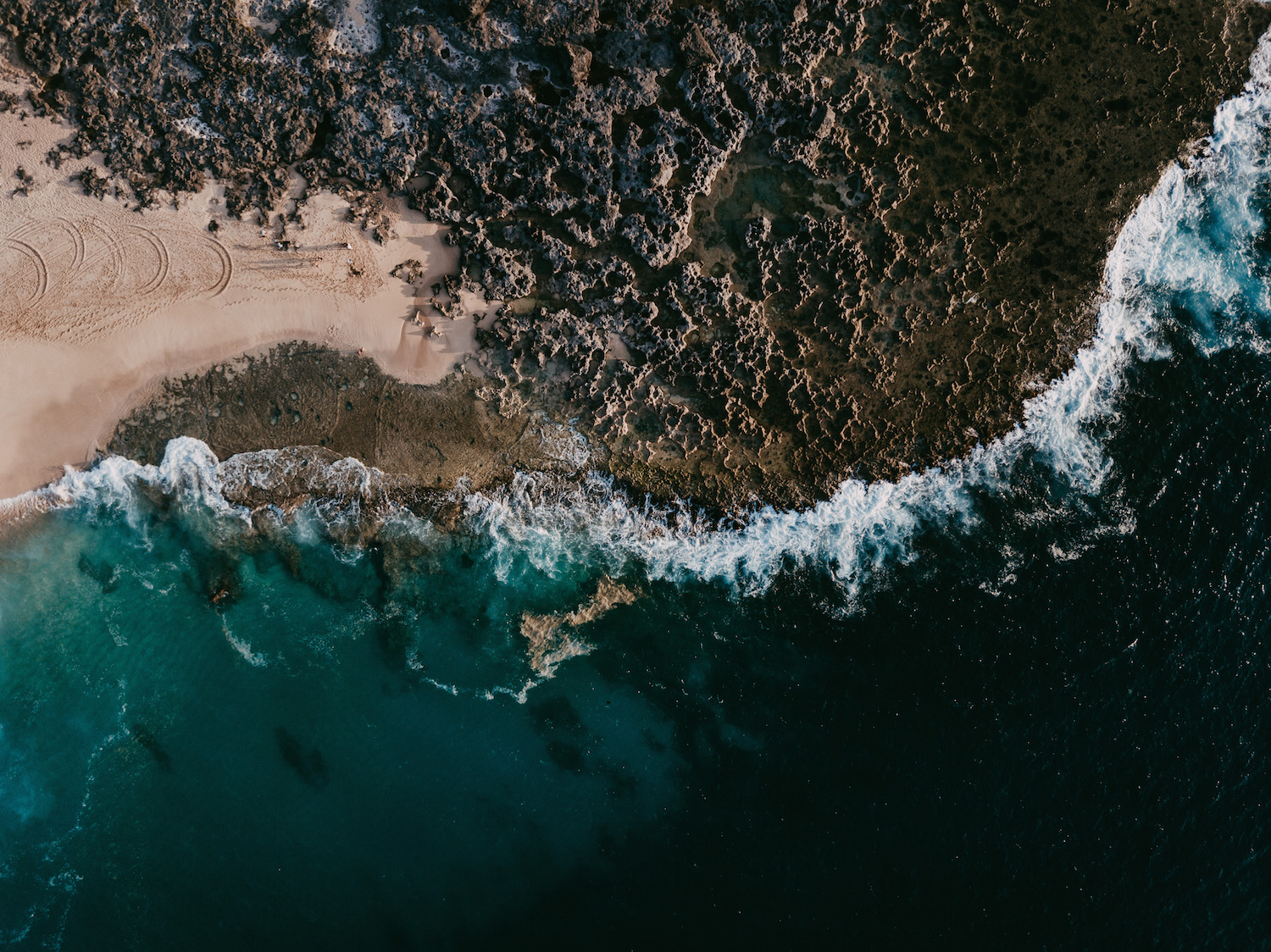
The appeal of Turks and Caicos goes beyond soft sand and clear water. Much of the tranquillity comes from how spread out the islands are and how little development there is once you leave Providenciales.
Beaches like Grace Bay often get the attention, but places such as Taylor Bay and Sapodilla Bay stay quiet because access is limited and there’s nothing to “do” beyond swimming and sitting. The geography does the work. Shallow reefs close to shore make snorkelling an everyday activity rather than an excursion, and the lack of strong tides keeps the water approachable even for long, aimless swims.
Most visitors choose to stay in villas in Turks and Caicos that are slightly removed from the resort centres. These properties are usually set along quieter stretches of coastline, where the day is shaped by light, weather, and meals rather than constant phone use. Inland, Chalk Sound National Park adds contrast, with a shallow turquoise lagoon scattered with small limestone islands that draw visitors away from the beach for unhurried afternoons. There’s little built infrastructure beyond a few roadside pull-offs, often overlooking cliffs, open water, or wide stretches of coastline. With few late-night options beyond small harbours or village cafés, evenings tend to wind down early.
High-Altitude Stillness in the Sacred Valleys of Bhutan
In Bhutan, stepping away from digital life isn’t forced. Mobile service exists, but geography and infrastructure make it inconsistent, particularly outside Thimphu and Paro. The stronger anchor here is cultural structure, which shapes daily routines far more than connectivity.
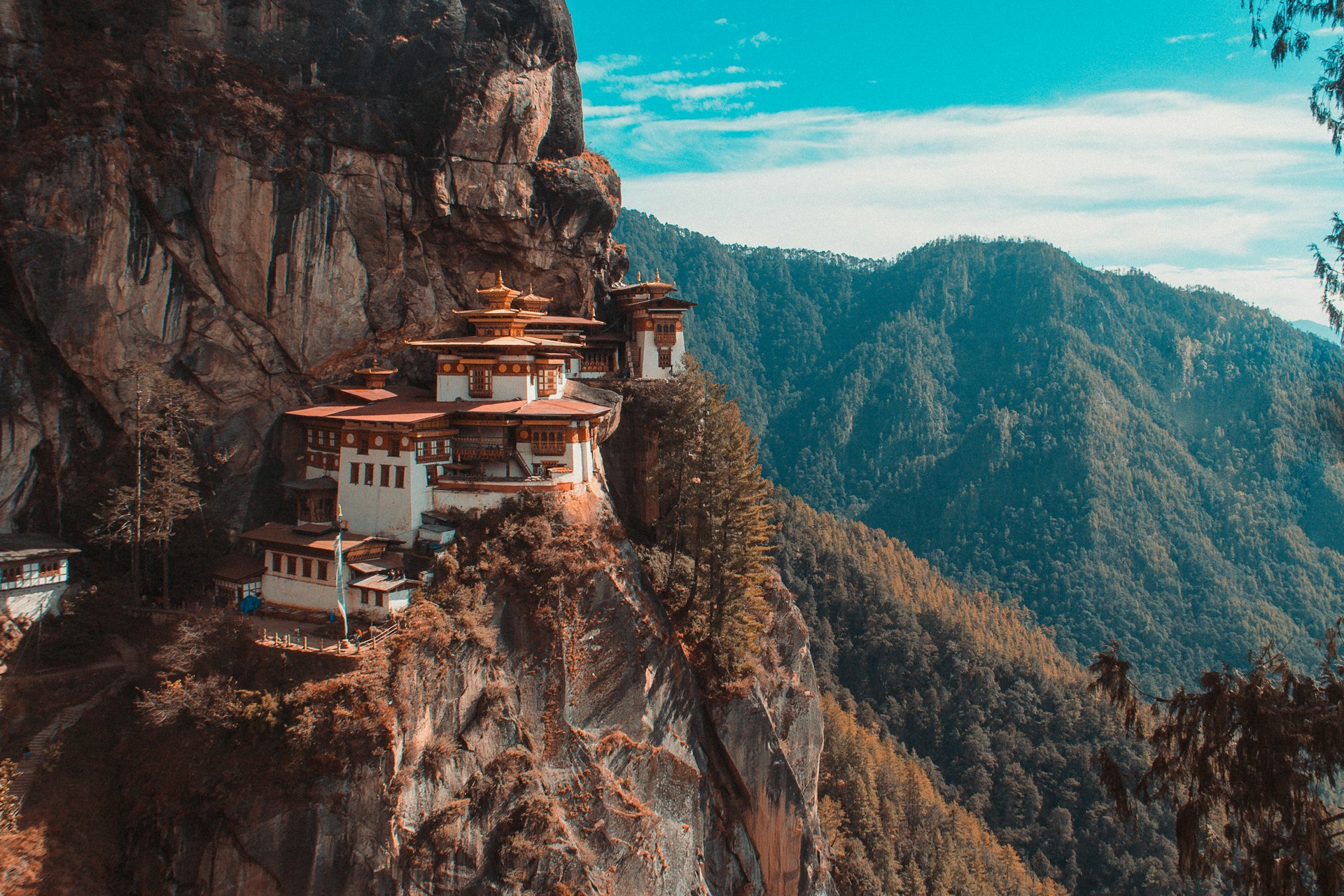
Daily life revolves around monasteries, seasonal festivals, and agricultural routines that have changed little over the decades. Visiting places like Tiger’s Nest Monastery is defined by the journey as much as the site itself. The approach takes several hours, climbing steadily through pine forest and thinning air, and it demands sustained focus simply to keep moving.
The valleys around Bumthang and Phobjikha feel especially remote compared to other parts of Bhutan. Farmhouses are spaced far apart, and walking between them becomes part of daily life. Early mornings are marked by monks chanting, prayer flags moving steadily in the wind, and a noticeable absence of background noise.
Conversations tend to slow when breath is limited by altitude, and even meals are quiet, centred on warming food. With attention drawn to landscape, routine, and physical effort, Bhutan naturally pulls focus away from screens.
Aegean Calm: Finding Your Private Sanctuary in Greece
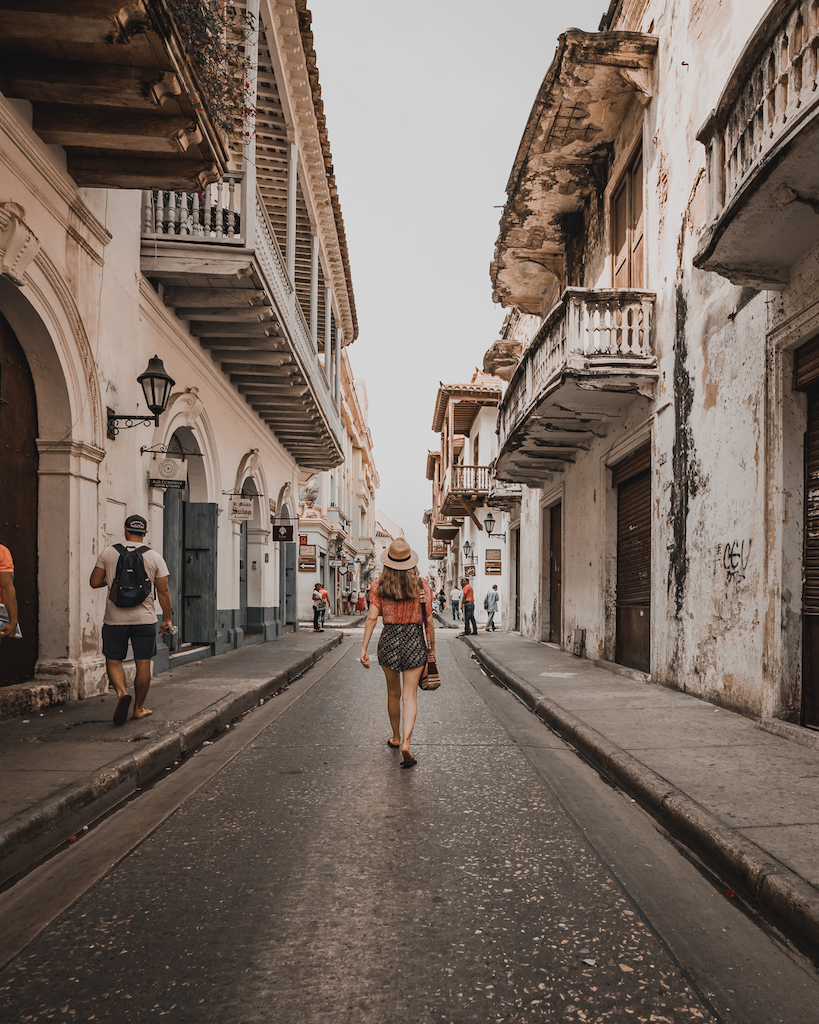
The quieter side of Greece extends well beyond the postcard views of Santorini. Islands such as Folegandros, Alonissos, and parts of Naxos are defined by quiet villages and coastlines that remain largely undeveloped.
Footpaths link old farming settlements, and days often revolve around walking between chapels, stone terraces, and small beaches without signage or services. Here, limited infrastructure isn’t a drawback; it provides stability. With patchy phone reception in many areas, phones tend to be used with intention rather than habit.
Unplugging doesn’t mean giving up comfort. You can enjoy private villa holidays that still offer modern conveniences while allowing space to disconnect. Mornings might begin with a walk to a local bakery, afternoons with swimming near rocky coves, and simple dinners that stretch out because there’s nowhere else to be.
Days can unfold around visits to historical sites like the Temple of Apollo at Delos or inland monasteries on islands such as Amorgos. These places remain quiet not because they’re cut off, but because they’re still woven into everyday life.
Minimalist Escape: Embracing the Silence of the Icelandic Highlands
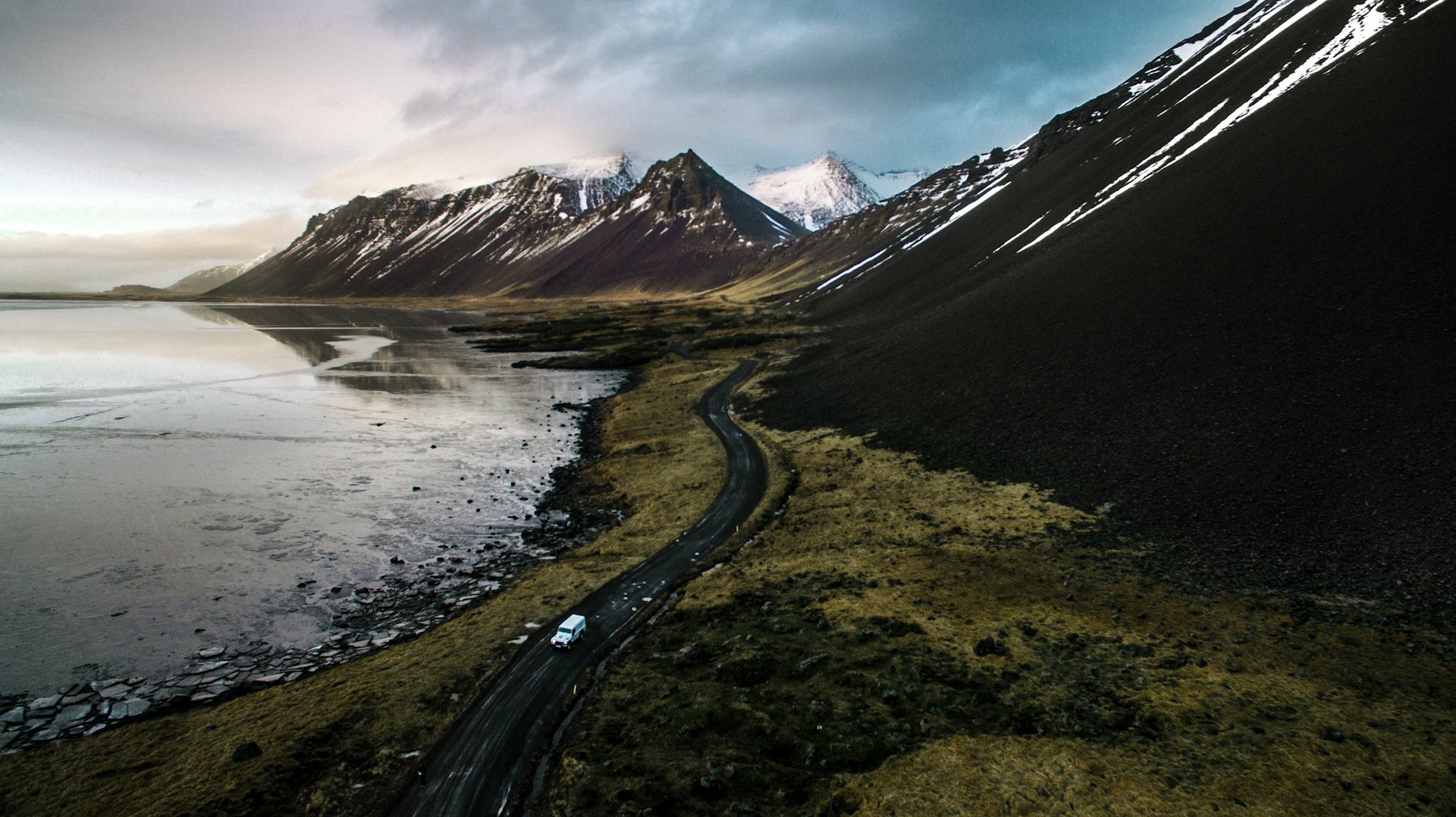
Travelling in the Icelandic Highlands removes distractions and extras, leaving only what’s necessary. Roads are few, the weather changes quickly, and services are limited. Once beyond the Ring Road, landmarks are geological rather than cultural.
Places like Landmannalaugar and Kerlingarfjöll are shaped by colour, steam, and silence rather than buildings or towns. Hiking here isn’t about covering long distances. It’s about moving carefully across terrain that constantly shifts. Rhyolite mountains, lava fields, and hot springs sit close together, forcing you to stay alert to where you step.
What makes the Highlands effective for a digital reset is the lack of visual and mental clutter. There are no towns, little signage beyond safety markers, and very little background noise. Even well-known areas feel empty once you walk a short distance from the trailhead.
After a long hike, soaking in a natural hot spring often becomes the main event. Conversation narrows to weather, footing, and how much daylight remains. The landscape holds attention fully, leaving little room to think about anything else.
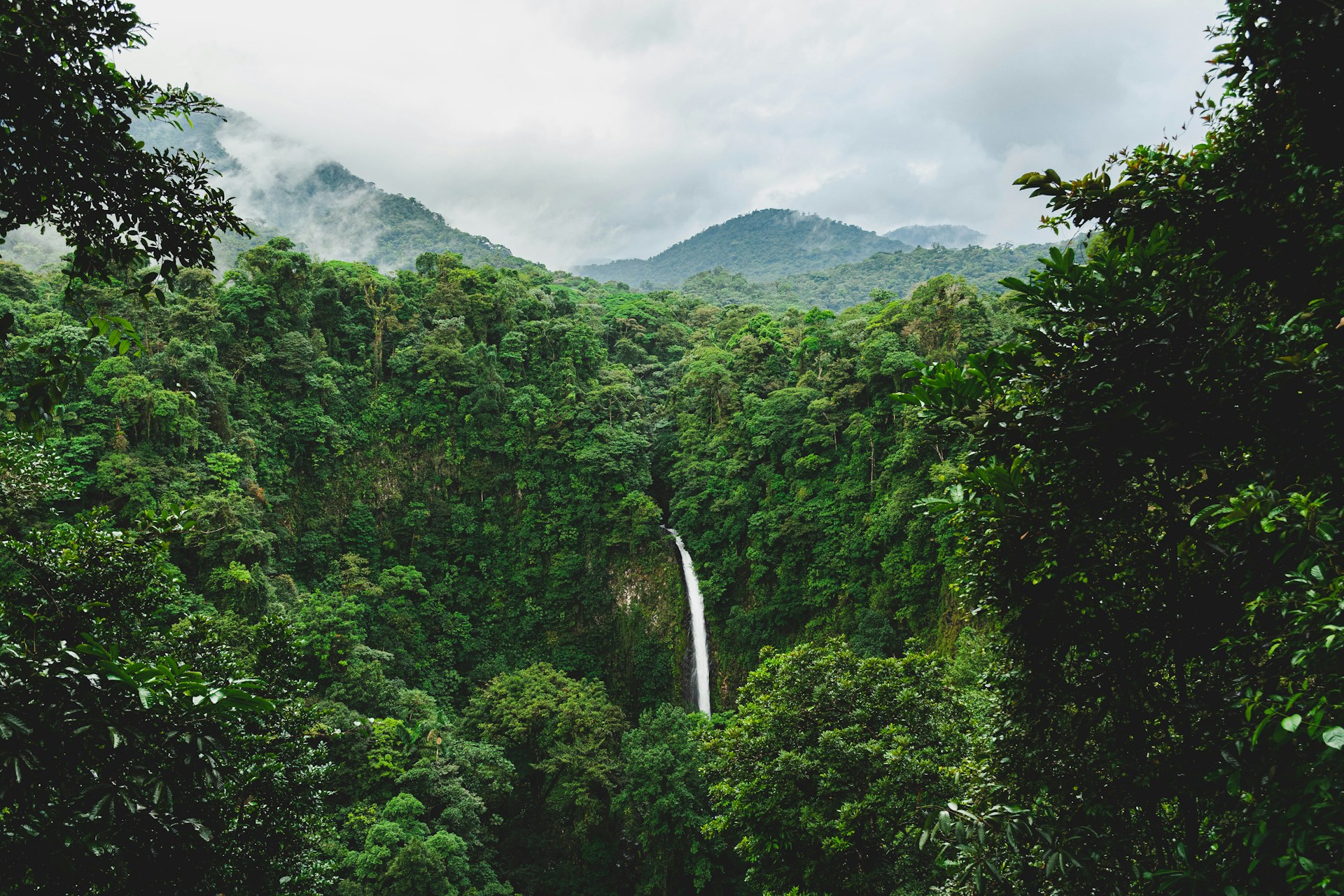
Tropical Solitude: Unplugging in the Lush Wilds of Costa Rica
In Costa Rica, reduced connectivity is often a result of ecology rather than intention. Regions like the Osa Peninsula and the Talamanca Mountains are both biologically dense and physically demanding. Rainforest absorbs sound, so even active environments feel quiet.
Trails in places such as Corcovado National Park usually require guides, largely for safety and orientation. Movement slows naturally, shaped by river crossings, thick humidity, and uneven ground.
Days follow wildlife patterns rather than fixed plans. Early mornings are marked by bird calls and the movement of monkeys through the trees, while afternoons often slow under steady rain. Evenings arrive quickly, with little artificial lighting and early nights becoming the norm.
Phones come out briefly for photos, then disappear again. Attention shifts naturally to walking, observing, and listening. The rainforest consistently pulls focus outward, whether it’s tracking a sound in the canopy or finding the path back before darkness settles in.
Is it time to trade the screen for a landscape that speaks to the soul?
A digital detox works best when it doesn’t feel like deprivation. The destinations work well because they replace screen time with something tangible: terrain that requires focus, cultural practices that shape daily routine, or environments where the senses stay engaged.
From the shallow reefs of Turks and Caicos to the forested density of Costa Rica, each place offers structure without pressure. The calm comes from participation, not escape. For travelers looking to reset habits rather than just switch locations, these environments make disconnection feel less like a rule and more like a natural outcome.