The State of UK Horse Racing: What’s Not Happening
UK horse racing has long been a cornerstone of British sporting culture, attracting millions of fans, enthusiasts, and bettors each year. But what happens when the tracks go silent? Recent developments have raised critical questions about the future of this beloved sport. The UK Horse Racing Not on GamStop UK horse racing betting sites are also keeping a close watch as they adapt to new realities.
Given the historical significance of horse racing in the UK, any disruptions carry profound implications. The past few years have been tumultuous, marked by global events and local decisions that have at times brought racing to a standstill. The impact is felt not just on the turf but throughout the entire racing community, which includes trainers, jockeys, owners, and, of course, fans.
The Background of UK Horse Racing
Horse racing in the UK dates back centuries, with its roots embedded deeply in British culture. From the grand events at Ascot and Epsom to local meets held in charming small towns, the sport has evolved. While the racing calendar is typically packed, there are periodic breaks and disruptions that can lead to periods when events are “not on.”
Recent Challenges: A Look at What’s Not Happening
Recent disruptions in the UK horse racing community have arisen from various factors. The pandemic had an immediate effect, forcing many events to close their gates to fans and making it challenging for jockeys and trainers to operate. As the world slowly returns to normal, racing, unfortunately, hasn’t escaped the broader uncertainties present in society.
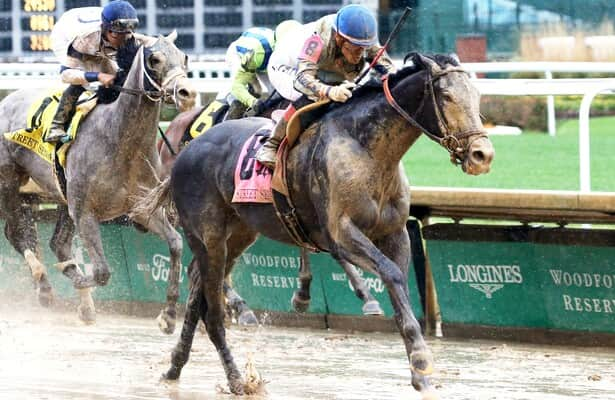
Weather-related cancellations are another pressing issue. Heavy rains can cause racing surfaces to deteriorate, leading to the last-minute scrapping of events. Such cancellations ripple through the community, affecting betting markets and creating disappointment among fans eager to wager on their favorites.
The Economic Impact
When events are canceled or postponed, the economic implications can be significant. From lost ticket sales to the lower turnover at betting shops, there is a clear financial cost associated with racing not taking place. Trainers and stable owners rely heavily on the income generated during race days; when these opportunities decrease, they struggle to maintain their businesses.
Fan Engagement During Downtime
During periods when racing is not on, fan engagement becomes a critical component in keeping the spirit of the sport alive. Social media platforms, digital content, and online betting sites have become hubs for discussions and interactions, despite the absence of live events. Racing fans are seeking virtual alternatives, whether through horse betting simulators or engaging in discussions about past races and upcoming schedules.
Some organizations and betting platforms have also started to host virtual races, utilizing technology to mimic the experience of live racing. While these aren’t the same as the thrill of a live event, they have provided an avenue for fans to continue participating and enjoying the sport in creative new ways.
What’s Next for UK Horse Racing?
As the world navigates these complexities, looking forward is essential for the UK horse racing community. There is hope that as society continues to stabilize, racing will resume its rightful place in the sporting calendar with enthusiasm and vigor. However, recent history suggests that the sport must adapt to future challenges rather than simply return to the status quo.
This may include greater emphasis on resilience, from preparedness for adverse weather to innovative strategies when dealing with unforeseen disruptions. Furthermore, regulatory bodies need to ensure the safety and well-being of horses, which is paramount to the sport’s integrity and appeal.
Conclusion
UK horse racing represents so much more than just a sport; it embodies tradition, community, and excitement. However, recognizing periods when it’s not on—due to various challenges—is crucial for the sport’s survival. How the community reacts to these disruptions will define the future of horse racing in the UK. As fans, bettors, and stakeholders, staying engaged and adapting to change while maintaining the essence of racing is key. The hope remains strong that UK horse racing will bounce back, providing thrilling memories for years to come.