America’s most talked-about cities don’t stay relevant by accident. People return to them not just because they’re well known, but because daily life there has depth and texture. Food scenes shaped by geography, streets formed by long histories, and entertainment rooted in local habits all help keep these places engaging beyond first impressions.
This guide looks at five destinations that continue to define American travel, not through hype, but because they still function as real, working cities. Each offers something distinct, grounded in how people live, eat, and move through them every day.
Lowcountry Flavours and Riverside Dining in Savannah
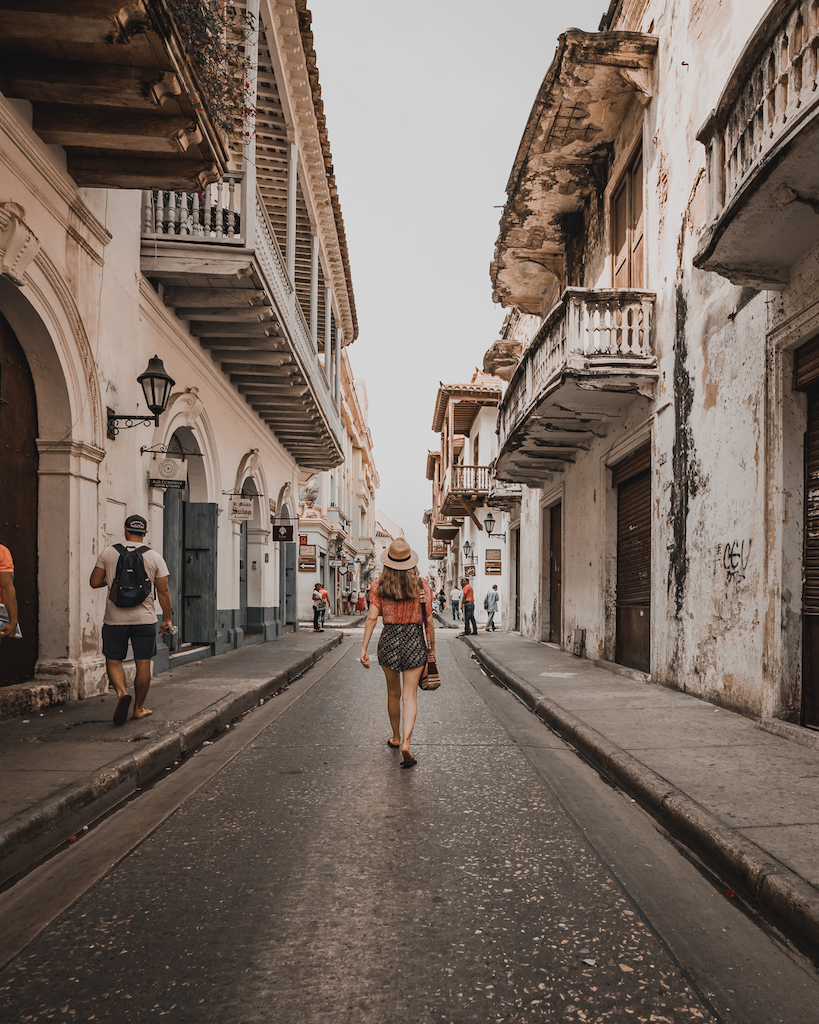
Savannah doesn’t just display history; it makes the past feel alive and accessible, not confined to a museum. The Historic District is organised around a series of public squares, each with its own character and pace. Forsyth Park anchors the southern end of the city, while smaller squares such as Chippewa Square and Wright Square break up longer walks and make the city easy to navigate on foot. Along the Savannah River, former cotton warehouses have been repurposed as shops, galleries, and restaurants. River Street’s uneven cobblestones are a reminder that this was once a working port.
Food is where Savannah shows its roots most clearly. Lowcountry cooking reflects the city’s coastal setting and Gullah Geechee influence, with seafood at its centre. Visitors are often encouraged to try the best seafood in Savannah, but the real difference lies in where and how it’s served. Restaurants along the river tend to focus on shrimp, oysters, and crab prepared simply, while spots farther inland lean into dishes like shrimp and grits or she-crab soup. Dining patterns shift according to neighbourhood. Restaurants near City Market cater to a steady tourist crowd, while smaller places in the Starland District and Baldwin Park feel more like local fixtures, shaped by regulars rather than passing foot traffic.
Neon Dreams and High-Stakes Thrills on the Las Vegas Strip
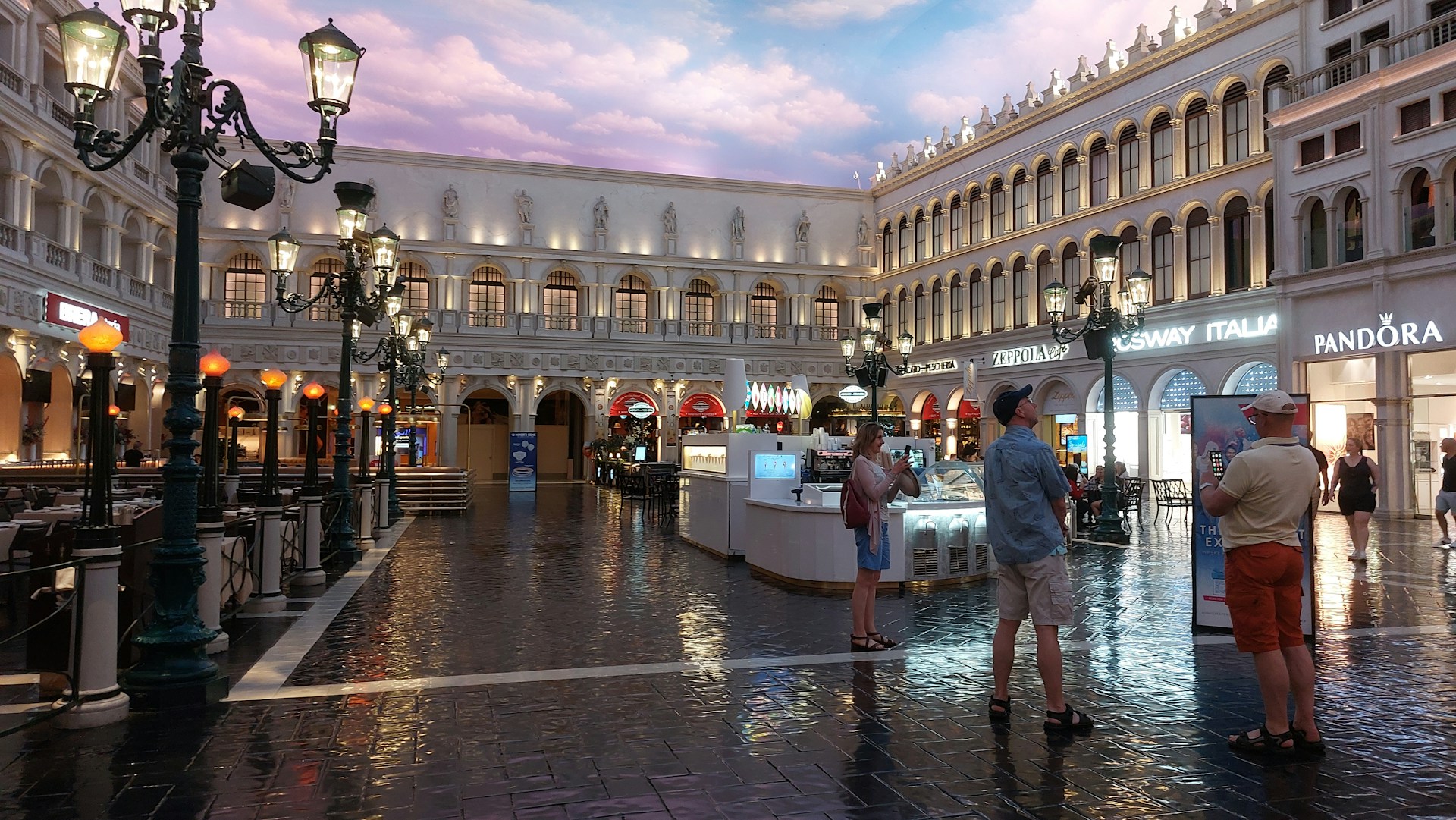
Las Vegas is often reduced to the Strip, but that stretch of Las Vegas Boulevard is still the core of how most visitors experience the city. Walking along it gives a clear sense of scale. Resorts are massive, self-contained worlds with casinos, theatres, shopping malls, and restaurants stacked on top of one another. Bellagio’s fountains draw regular crowds, while Caesars Palace and The Venetian are driven more by spectacle. The Strip transforms into a non-stop spectacle after dark, a vibrant collision of light, sound, and motion.
Beyond gambling, entertainment defines the city’s identity. Artist residencies at venues like Dolby Live or The Colosseum at Caesars Palace draw major performers, while Cirque du Soleil shows remain a staple for visitors looking for something distinctly Vegas.
Food in Vegas has evolved, too. Celebrity-chef restaurants now sit next to late-night diners and food halls designed for people moving between casinos. The Las Vegas Strip, while a vibrant spectacle, operates with impressive efficiency. Everything is laid out to keep people moving, fed, and entertained without leaving the corridor, creating a self-contained environment where scale and convenience are part of the experience.
Theme Park Capital: Crafting the Perfect Stay in Orlando
Orlando exists largely because of its theme parks, and the city is built to support them. Walt Disney World operates almost like a small municipality, with multiple parks, on-site resorts, and its own transport network. Universal Orlando offers a different experience, driven by film-based attractions that draw families and movie fanatics. Together, these parks shape how people experience the city, where they stay, and how long they tend to visit.
Many travellers choose to enjoy vacation rentals in Orlando, particularly when visiting with family or in groups. Areas such as Kissimmee and Lake Buena Vista are filled with short-stay homes designed around space and convenience, often with kitchens and private pools. This setup changes the rhythm of a trip. Meals don’t always happen inside the parks, and downtime becomes part of the routine. Beyond the major attractions, neighbourhoods like Winter Park offer a different side of the city, with walkable streets, independent shops, and lakeside dining that feels removed from the theme park corridor.
Jazz Heritage and Gumbo Traditions in New Orleans
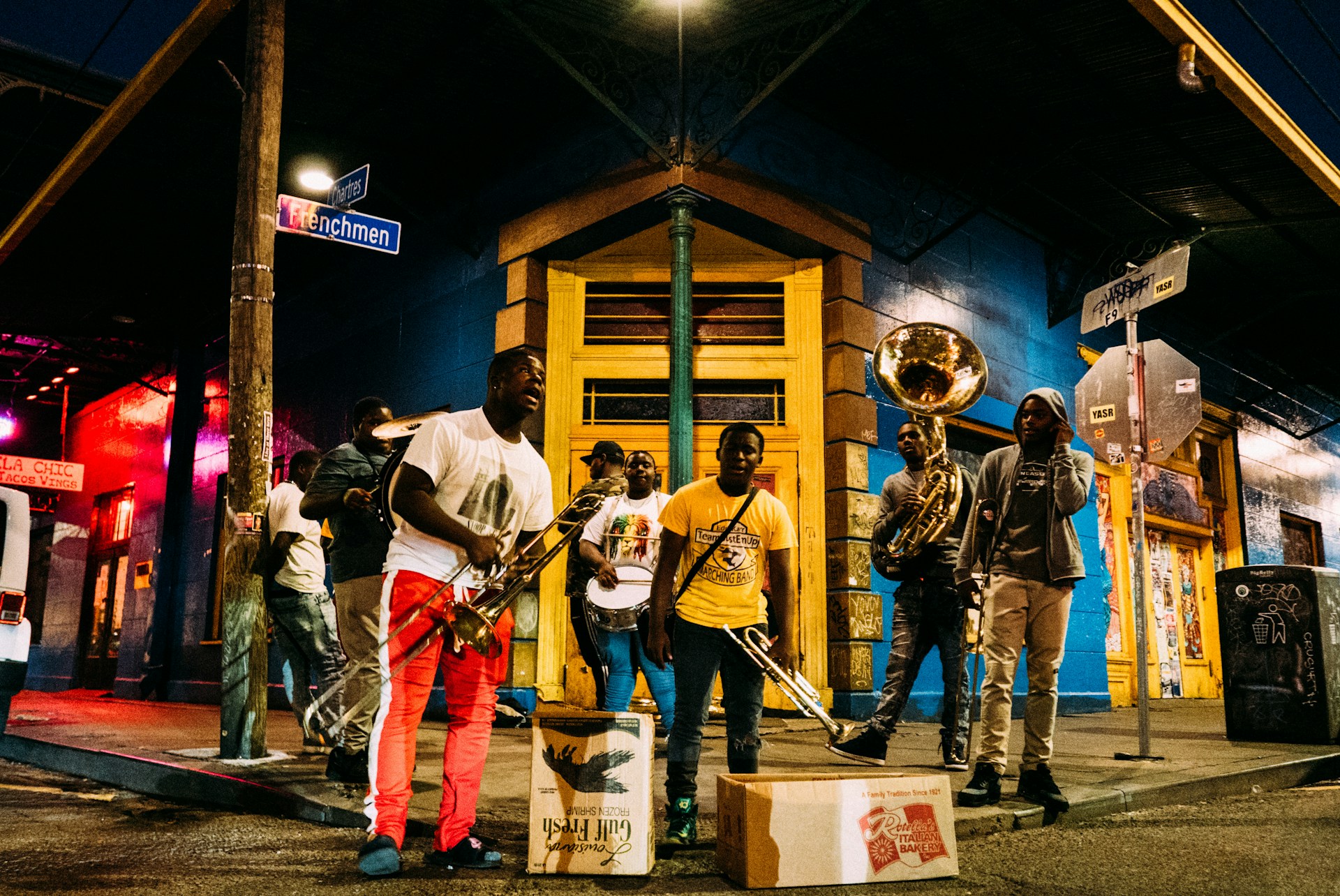
New Orleans feels shaped by sound as much as architecture. As the birthplace of Jazz, music spills out of clubs on Frenchmen Street, while brass bands still play second lines through residential neighbourhoods. The French Quarter gets the most attention, with the New Orleans Jazz Park, Jackson Square, St. Louis Cathedral, and Bourbon Street close together, but the city’s character extends well beyond it. The Garden District shows a quieter side, with historic homes and oak-lined streets that reflect a different chapter of the city’s past.
Food here is inseparable from identity. Dishes like gumbo, jambalaya, and po’boys are everyday meals with deep cultural roots. Restaurants range from long-established institutions such as Commander’s Palace to small neighbourhood spots that have served the same recipes for decades. Markets still play an active role. The French Market remains a place to eat, shop, and move through as part of a daily routine.
Skyline Wonders and Cultural Landmarks in New York City
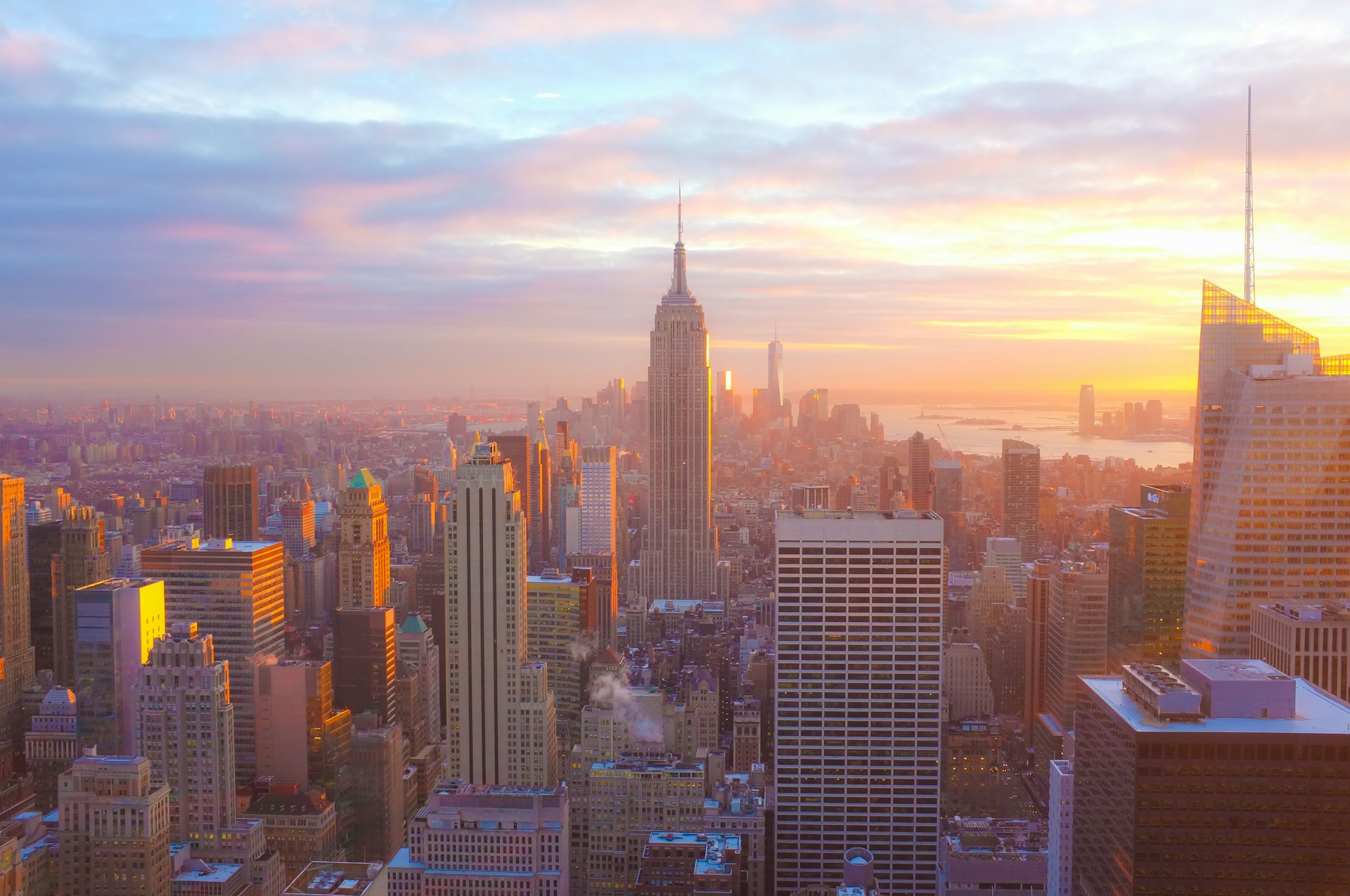
New York City doesn’t need much introduction. The skyline is instantly recognisable, but the real appeal lies in how much the city contains within a compact, accessible footprint. Central Park serves as a shared public space that divides Manhattan’s neighbourhoods, while areas such as Harlem, the Lower East Side, and Williamsburg retain their distinct identities, which are shaped by their diverse histories of migration. Institutions such as the Metropolitan Museum of Art and the Museum of Modern Art remain central to cultural life, not just stops on a sightseeing route.
Daily movement defines New York as much as its landmarks. Subways knit the city together, sidewalks double as social spaces, and food reflects the city’s diversity. A morning bagel, a slice of pizza eaten standing up, or a late-night meal in Queens can say as much about the city as Times Square ever could.
Which legendary American city will define your next great adventure?
Each of these destinations earns its reputation in its own way. Savannah carries its history through food and shared public spaces. Las Vegas commits fully to spectacle and scale. Orlando functions as a city built around entertainment from the ground up. New Orleans expresses its culture through music and everyday meals. New York runs on density, movement, and constant change. None of them depends on vague ideas of charm or escapes. They’re shaped by daily routines, local priorities, and long histories. Choosing between them comes down to which version of American life feels most worth experiencing next.