Travel becomes more meaningful when it’s rooted in how a place actually works, rather than just focusing on its most famous sights. The journeys below move between cities and remote regions, but they share a common thread: each is shaped by history, geography, and the way people live and work day to day. These immersive journeys are about more than just ticking boxes. They range from exploring Zurich with a local to watching penguins cross the Antarctic ice from an expedition ship’s deck. They focus instead on why places function the way they do, appealing to travellers who value detail, texture, and substance over spectacle.
Private Cultural Insights Through Zurich’s Historic Streets
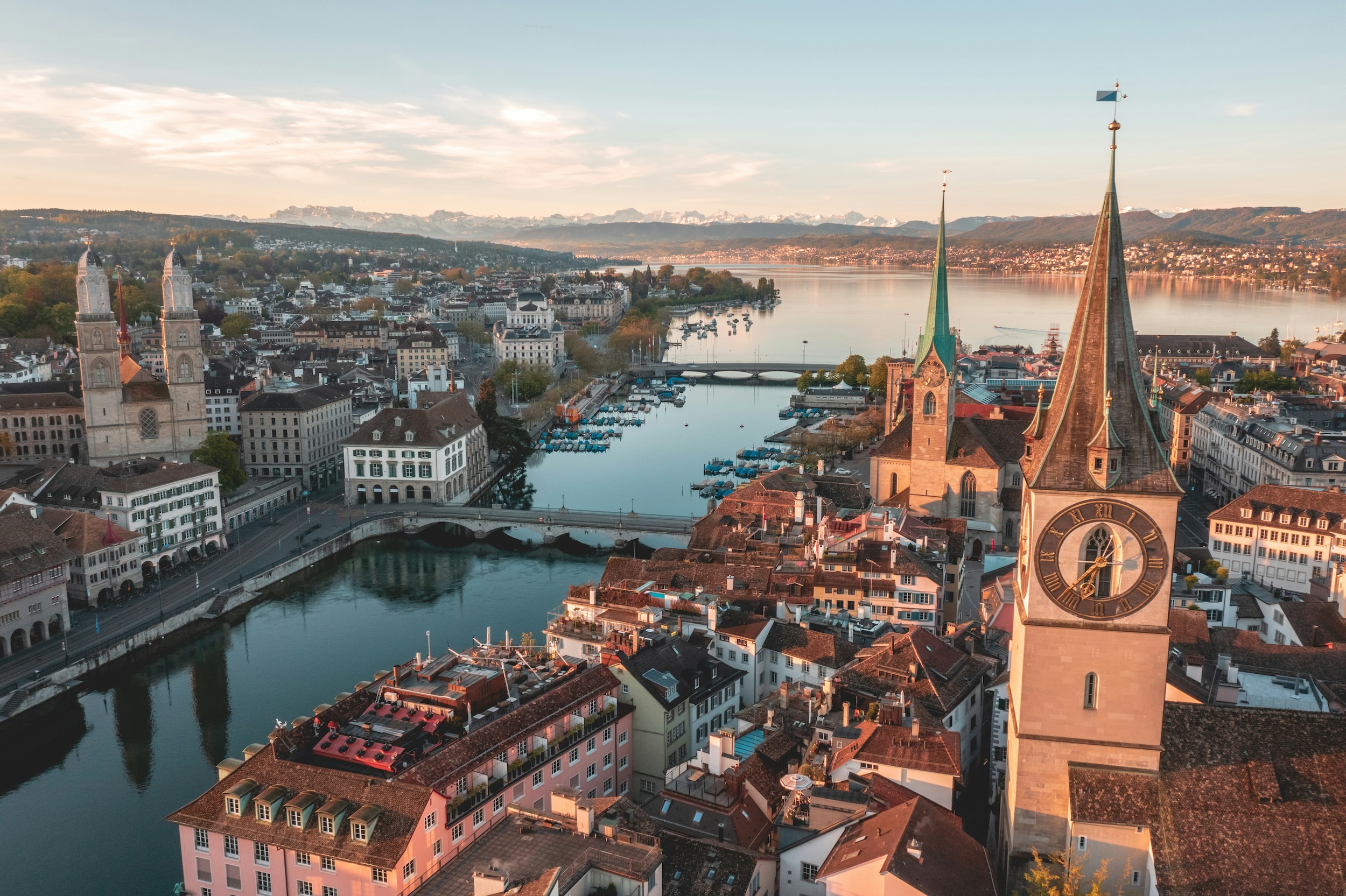
Zurich is often described as efficient or reserved, but walking the city reveals far more than those labels suggest. The old town, split by the Limmat River, is compact enough that everything feels close at hand. Routes through Niederdorf and Lindenhof make it easy to see how Roman foundations, medieval guild houses, and modern banking headquarters ended up sharing the same streets. Guides who focus on context tend to linger less at obvious photo spots and more at former guild halls, explaining how trade associations shaped political power long before Switzerland became a federation.
The most amazing Zurich tours focus less on landmarks and more on how the city actually works. Some of the most useful insights come from small details. The placement of churches like Grossmünster reflects long-standing rivalries between religious institutions. Kunsthaus Zürich helps anchor the city culturally, showing how Swiss artists responded to political neutrality and proximity to larger European powers. From zoning laws that preserved the old town to deliberately understated storefronts, these details explain how the city functions day to day.
Traditional Culinary Experiences in the Swiss Alps
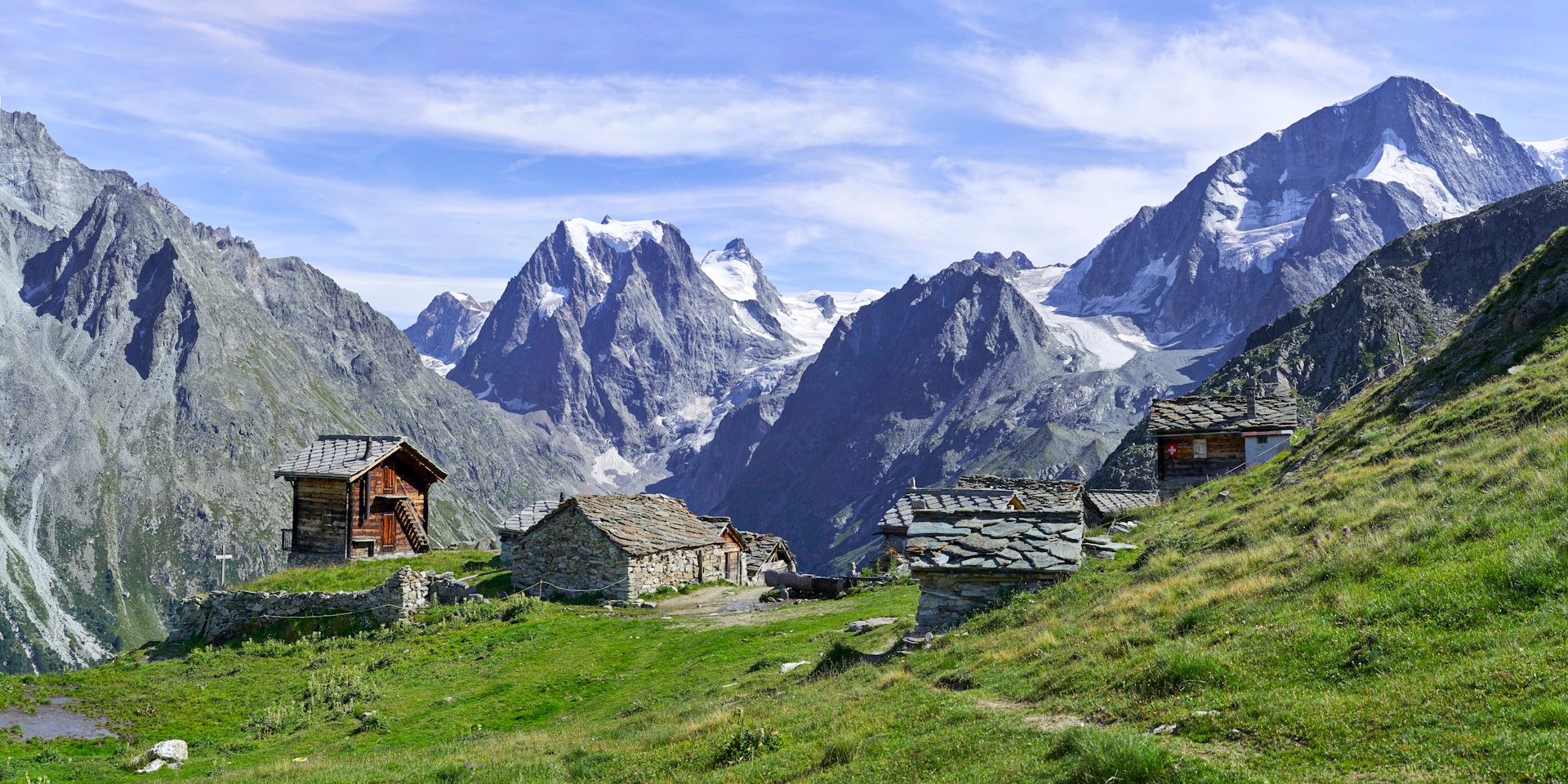
Food in the Swiss Alps is shaped by altitude, storage, and long winters. In villages above the tree line, menus still reflect what could realistically be produced and preserved. Cheese-making demonstrations in regions like Gruyères or Valais usually take place in working dairies rather than museums. Visitors see copper vats, raw milk delivered from nearby pastures, and ageing rooms where wheels rest for months at a time. Raclette is better appreciated when you see why it was meant to be melted and shared, not formally plated.
Mountain inns and farm restaurants tend to focus on a narrow range of dishes, each with a clear reason for being there. Air-dried beef from Valais developed because curing meat was essential long before refrigeration. Rösti appears everywhere because potatoes thrived where grains struggled.
Meals are often accompanied by local wine grown on steep terraced slopes, particularly along the Rhône Valley, where vines grow on inclines too steep for mechanised farming. Eating here feels less like a culinary event and more like taking part in a system refined over many generations.
Expedition Vessels Navigating the Antarctic Wilderness
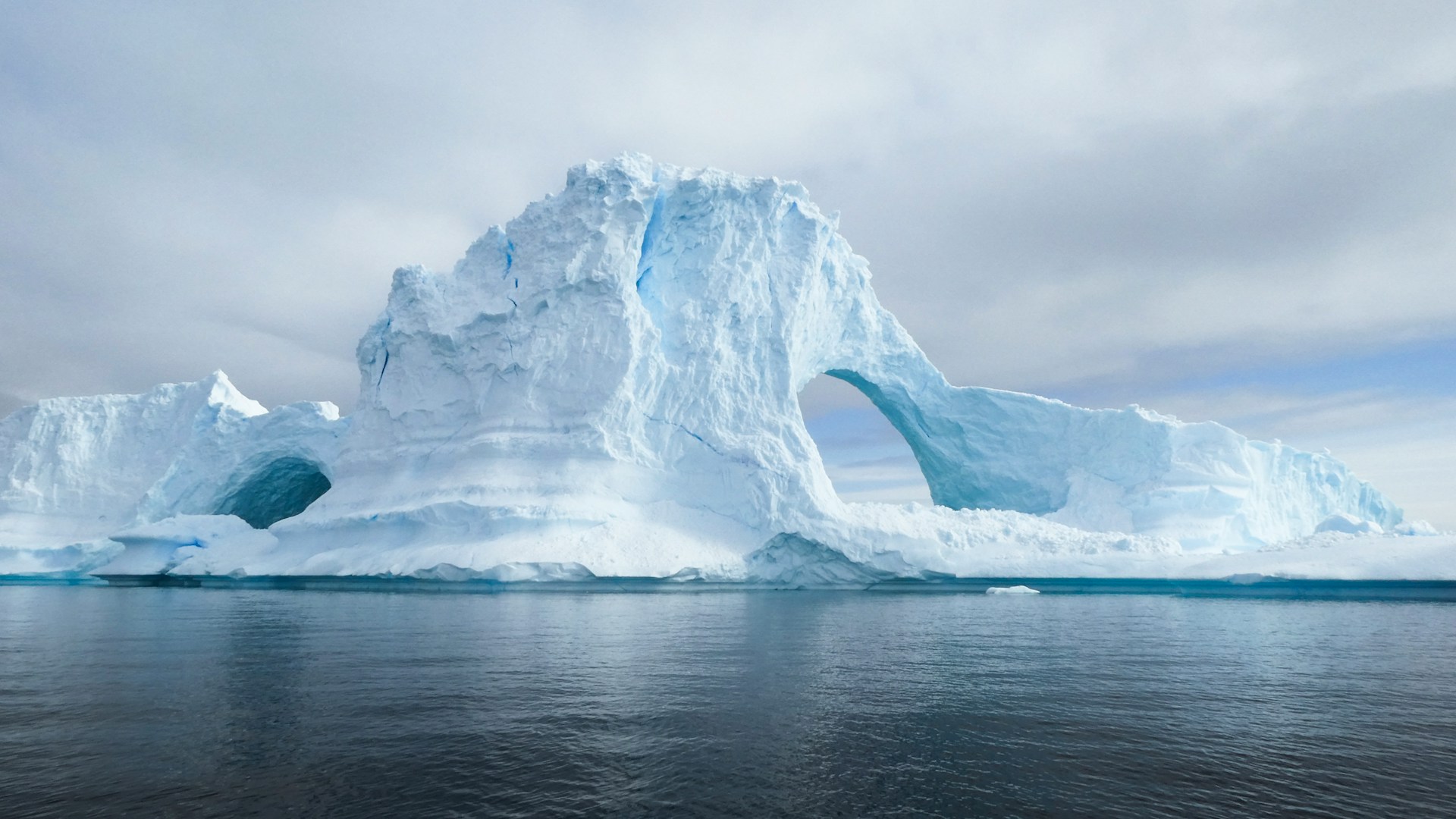
Antarctica is not a destination for casual sightseeing. Most visitors arrive by ship after crossing the Drake Passage, which sets expectations quickly. Expedition vessels are designed for function rather than traditional comfort. Stabilisers, reinforced hulls, and fleets of Zodiac boats matter more than luxury finishes. Once ashore, landings are brief and carefully managed. Guides control group sizes and routes to limit impact while still allowing visitors to walk among penguin colonies or stand near calving glaciers.
Life on board revolves around briefings, weather updates, and lectures led by scientists and polar specialists. Passengers learn practical details: how ice conditions affect navigation, why certain beaches are safe for landings, and how krill populations support the entire ecosystem. For travellers looking to plan an Antarctica cruise, this context is essential. You can’t wander freely, and not every activity is assured. What you’re guaranteed instead is access to places most people only see in documentaries, with explanations grounded in science and logistics rather than spectacle.
Sustainable Travel and Wildlife Conservation in Patagonia
Patagonia’s scale is part of its appeal, but what really draws people is how carefully access is managed in certain areas. In Chile’s Torres del Paine National Park, strict trail systems limit erosion while still allowing hikers to reach viewpoints such as Mirador Las Torres.
On the Argentine side, conservation projects near El Chaltén and along the Atlantic coast focus on wildlife corridors and habitat restoration. Travellers may visit estancias that have shifted from sheep farming to conservation-based tourism, helping reintroduce native species. Guanacos, condors, and even pumas are part of active monitoring programs. Visitors often gain valuable insight from local conservation staff, grounding the experience in ongoing work rather than observation alone.
Cultural Immersion and Heritage Sites in Kyoto
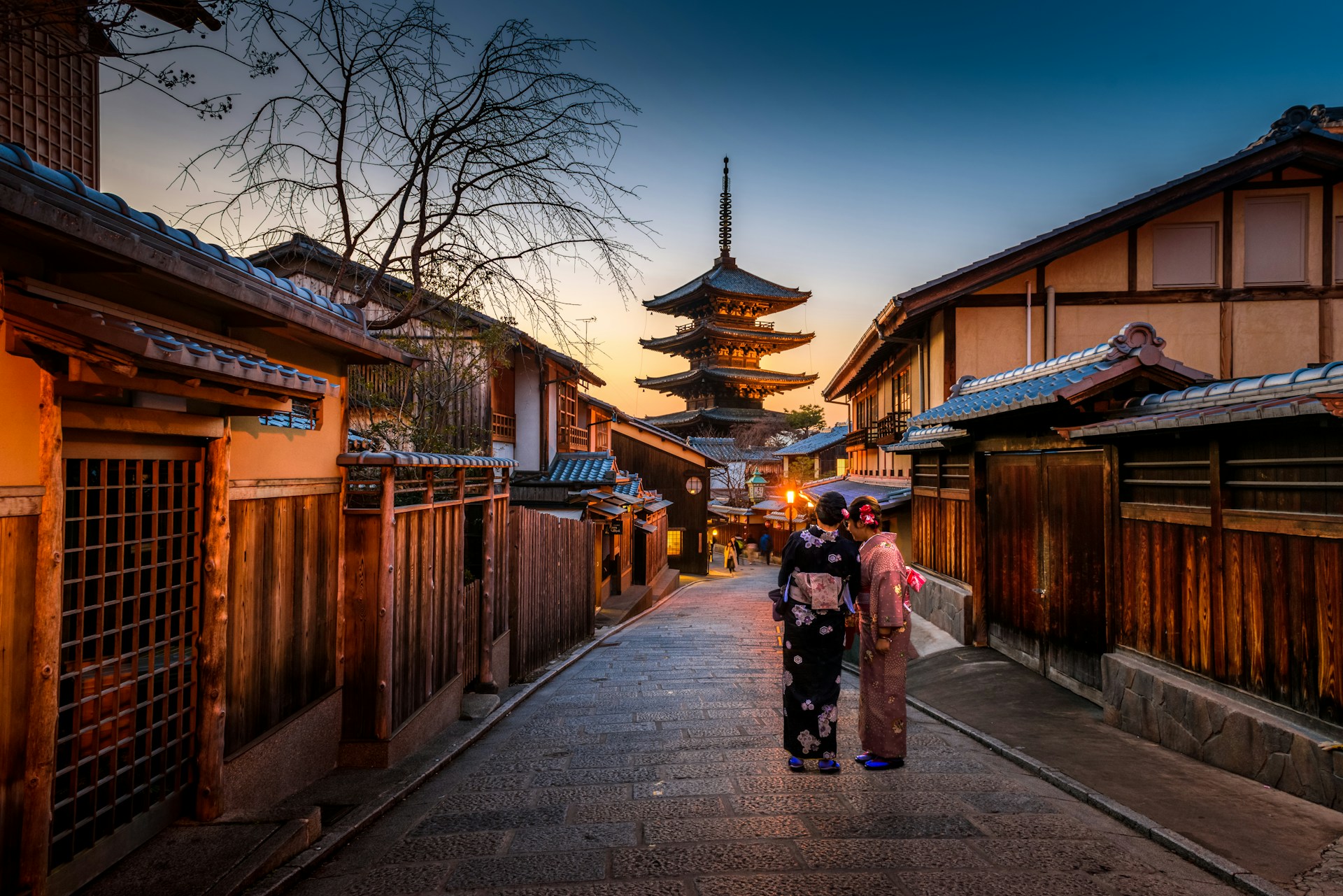
Kyoto isn’t a place that reveals everything immediately. The more closely you observe, the more the city begins to make sense, largely through how its cultural sites are positioned and used. Temples aren’t clustered into a single historic quarter, so visitors move gradually between different parts of the city. Kiyomizu-dera sits high above residential streets, reached by narrow lanes that pass everyday shops and homes, while complexes such as Daitoku-ji are set back behind plain walls, revealing little from the outside. Understanding why some sites are ornate and others deliberately restrained, helps explain broader Japanese ideas about space, humility, and seasonal change.
Areas like Gion are often mistaken for performance backdrops, but they remain working neighbourhoods with schools, clinics, and local businesses woven between historic buildings. Guided visits that focus on etiquette, religious practice, and daily routines tend to offer more insight than simply chasing photographs. Preservation laws become visible in consistent building heights, muted materials, and streetscapes that haven’t been reshaped for modern traffic. Tea houses, craft workshops, and Shinto shrines continue to function as part of daily life. Together, these elements create a city that feels calm not because it is curated to be so, but because its landmarks and systems still operate as they were intended.
Which destination will redefine your perspective?
These journeys show how different environments call for different ways of travelling. Zurich asks visitors to slow down enough to notice structure and policy. The Swiss Alps explain themselves through food and terrain. Antarctica reduces travel to essentials dictated by nature. Patagonia shows how protection and access can coexist. Kyoto demonstrates how continuity depends on restraint. None of these places relies on hype to make an impression. For travellers planning their next trip, the more meaningful choice is often the place that offers clarity and context, not just strong first impressions.