
Europe has a way of drawing travelers into everyday life without much effort. It might start with a morning market, a conversation overheard in a small square, or time spent inside a centuries-old building that’s still in use.
These moments sit alongside more active experiences, like cycling along a coastline or spending hours on foot in a historic district, and together they shape a trip that stays with you long after it’s over.
This guide focuses on places where cultural immersion and active experiences take shape in everyday settings, from historic city districts to coastal regions where time outdoors is part of daily life.
Tailored Local Experiences and Curated Journeys in Spain
In Spain, in cities like Seville and Granada, daily life still unfolds in ways that feel closely tied to long-standing traditions. In Seville, Calle Feria hosts one of the city’s oldest markets, where locals shop for produce and household goods throughout the week. A short walk away, the Alameda de Hércules fills up in the evenings, with families and small groups gathering in open spaces that have been part of the neighborhood for generations.
Travellers should book with a Spain travel agency for a more structured understanding of local culture. These tours focus on region-specific experiences, with access to smaller cultural sites, guided visits to historic districts, and locally led activities that go beyond surface-level sightseeing. This might include time inside artisan workshops in Granada’s Albaicín district or curated visits to lesser-known museums near Madrid’s Barrio de las Letras, where literary history still shapes the area’s identity.
Barcelona has a different rhythm, especially around neighborhoods like Gràcia, where independent shops and small plazas create a more residential feel. Carrer de Verdi is a good place to see how daily routines unfold, with bakeries, bookstores, and cinemas all within a few blocks. These areas tend to reveal more once time is spent observing how people use the space, not just what’s there.
Renaissance Masterpieces and Coastal Charm in Italy
Florence remains one of the clearest places to see how Renaissance art and architecture continue to shape Italy. Piazza della Signoria sits at the centre of civic life, surrounded by buildings that have been in use for centuries. Inside the Uffizi Gallery, the scale of the collection stands out, but it’s just as revealing to step outside and see how these works relate to the surrounding streets and architecture.
Further south, towns along the Amalfi Coast show a different side of Italy’s cultural identity. In Amalfi itself, the Duomo di Amalfi stands above Piazza del Duomo, with narrow streets leading away from the square into residential areas where daily routines continue at a steady pace. Small workshops selling paper goods reflect the town’s long paper-making history, something that still feels relevant when walking through these streets today.
In Venice, attention often shifts toward the quieter parts of the city, especially in districts like Dorsoduro. Campo Santa Margherita has a more local feel than the main tourist areas, with students and residents filling up the space throughout the day.
Scenic Coastal Routes and Cycling Expeditions in Portugal
Portugal’s coastline offers opportunities for active travel while still revealing everyday coastal life, particularly in regions like the Algarve and further north around Porto. In Lagos, the area near Avenida dos Descobrimentos stays busy throughout the day, with markets and small shops reflecting the town’s connection to the sea. Fishermen still work along parts of the harbor, and their routines shape how the waterfront feels at different times of day.
Cycling has become a practical way to experience these coastal areas, especially for travellers who want to spend more time outdoors. Many of the fun cycling holidays in Portugal follow routes through smaller towns, coastal viewpoints, and working landscapes where agriculture and fishing remain part of daily life. These tours often include support services and local insight, helping travellers understand what they’re seeing beyond the surface.
In Porto, the Ribeira district offers a more urban setting, with narrow streets climbing up from the Douro River. Mercado do Bolhão, recently restored, gives a closer look at local food culture, with vendors selling fresh produce, cured meats, and regional specialties.

Medieval Old Towns and Gothic Architecture in Czechia
Prague’s Old Town remains one of the most detailed examples of medieval urban design still in use today. Staroměstské náměstí, or Old Town Square, brings together buildings from different periods, with the Astronomical Clock drawing regular crowds throughout the day. Nearby streets like Týnská and Celetná lead into quieter corners where residential life continues alongside small shops and galleries.
Crossing into Malá Strana, the atmosphere shifts slightly, with cobbled streets and Baroque buildings creating a more enclosed feel. Nerudova Street is known for its historic house signs, many of which date back centuries and still mark individual properties.
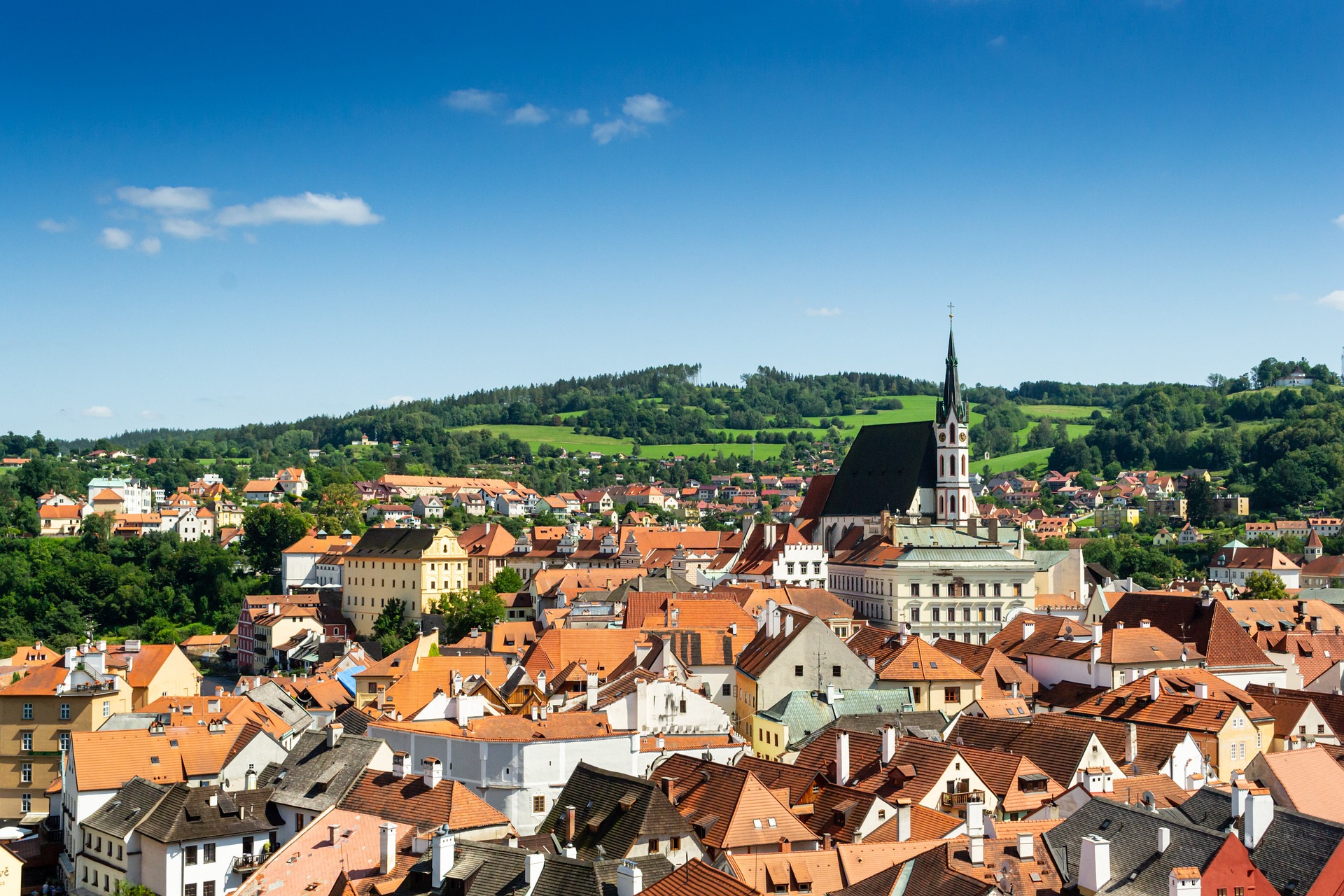
Outside Prague, towns like Český Krumlov offer a more compact version of this architectural style. The castle complex overlooks the Vltava River, and much of the town center remains unchanged in layout. Walking through these streets, it becomes clear how closely daily life is tied to the preservation of Czechia’s historic spaces.
Culinary Traditions and Historic Vineyard Tours in France
In French regions like Bordeaux and Burgundy, food and wine remain central to how communities function. In Bordeaux, Marché des Capucins is a key part of local life, with vendors selling seasonal produce, seafood, and dishes that reflect the region’s agricultural base. The market operates throughout the week, but weekends tend to draw larger crowds from across the city.
Vineyard visits in areas like Saint-Émilion help travelers better understand how wine production fits into daily life. The town itself is built around limestone structures, with underground cellars that have been in use for generations. Many of these spaces are open to visitors, offering a closer look at traditional methods that are still practiced today.
In Dijon, Les Halles Market serves a similar role, with its iron-framed structure housing a wide range of local producers. The surrounding streets, including Rue de la Liberté, show how commerce and daily life continue to shape the city. Spending time in these areas offers a grounded understanding of French culinary traditions without needing to look far beyond what’s already in front of you.
Which European tradition will you explore?
Across Europe, cultural immersion often comes down to noticing how places function day to day. Markets, public squares, and historic buildings all play a role in shaping that experience, and they tend to reveal more once attention shifts to how people use them. Active experiences, like cycling or spending more time walking through a place, add another layer without taking away from that focus. Each destination above brings its own set of details, and those tend to stay with travellers long after the trip is over.