I wake to the sun easing itself over the mountains, a low, embered glow spreading across the sky. Violet recedes into blue, blue into amber, the last traces of night thinning at the horizon. Palms sway beneath the peaks, their green fronds completing the quiet masterpiece framed by my bedroom window.
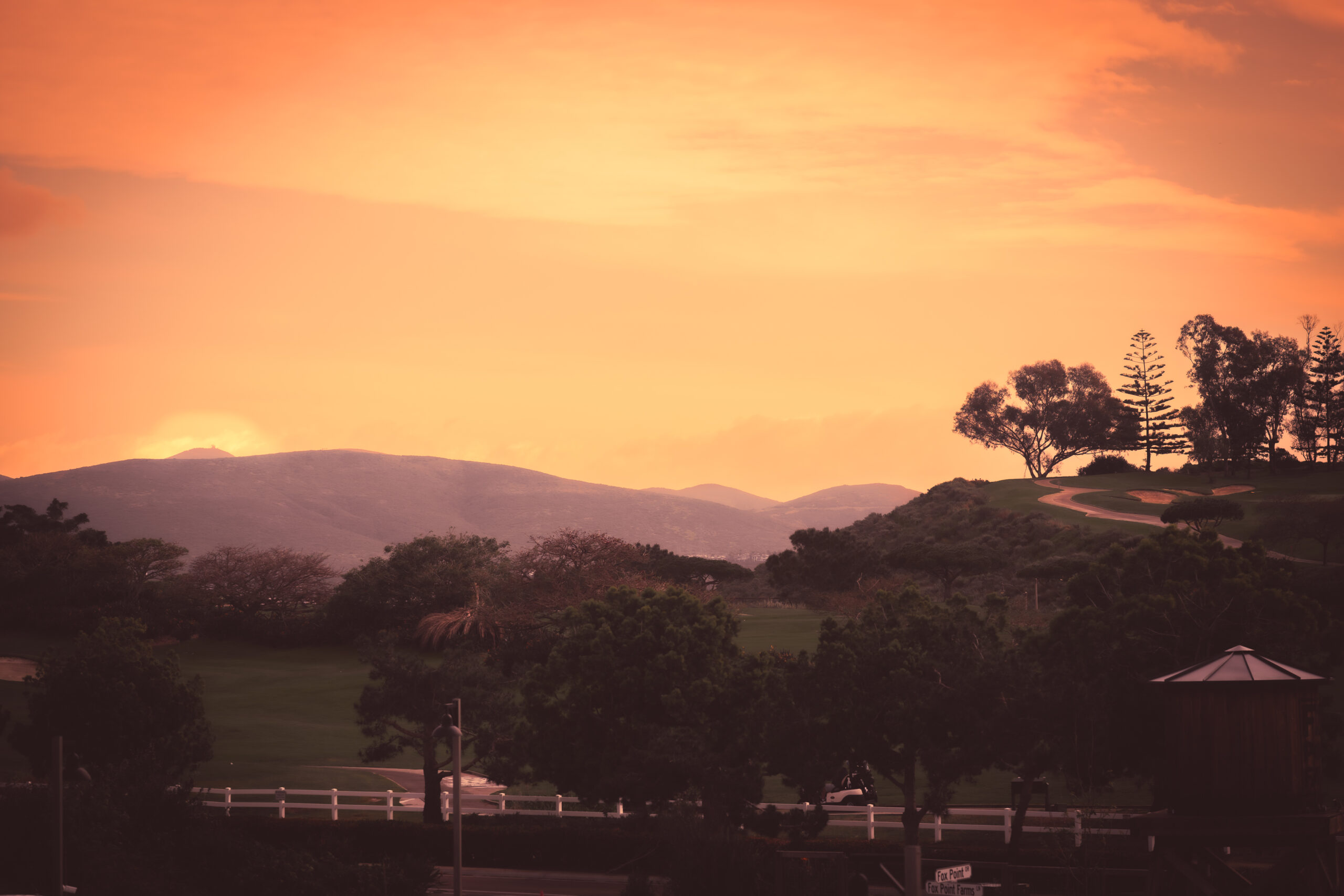
Downstairs, on the middle level of the house, I linger at the glass, reluctant to look away. This is my favorite hour: the world not yet fully awake, the day still making up its mind. I froth almond and cashew milk I blended the night before and pour it into the espresso my husband has just pulled. I attempt a swan, the latte art I have been practicing for more than a year. Some mornings it resembles a bird; others, a cloud with ambition.
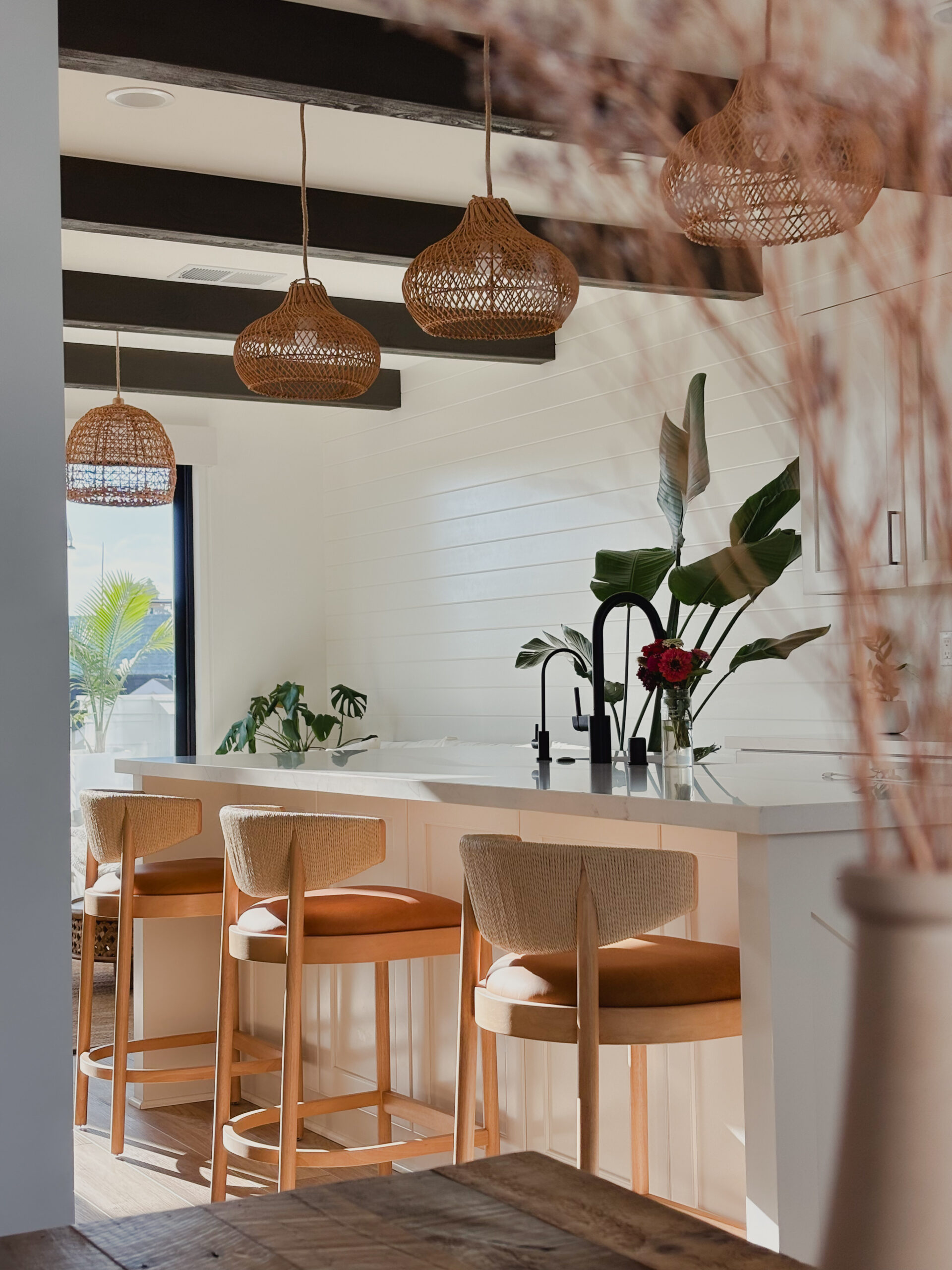
I carry the cup to the couch, where Luce, my five-year-old chihuahua, waits with theatrical patience. He rolls onto his back and lifts a hind leg in invitation for belly rubs. Soon, he knows, we will head out for our walk.
We have lived at Fox Point Farms for nine months. Our townhome sits within an agrihood, a community organized around a working farm and the idea of shared cultivation. The irony is not lost on me. For most of my adult life, I have traveled in search of regenerative farms and garden estates, places where agriculture folds seamlessly into hospitality, where meals are harvested steps from the table and guests sleep within sight of the fields that feed them.
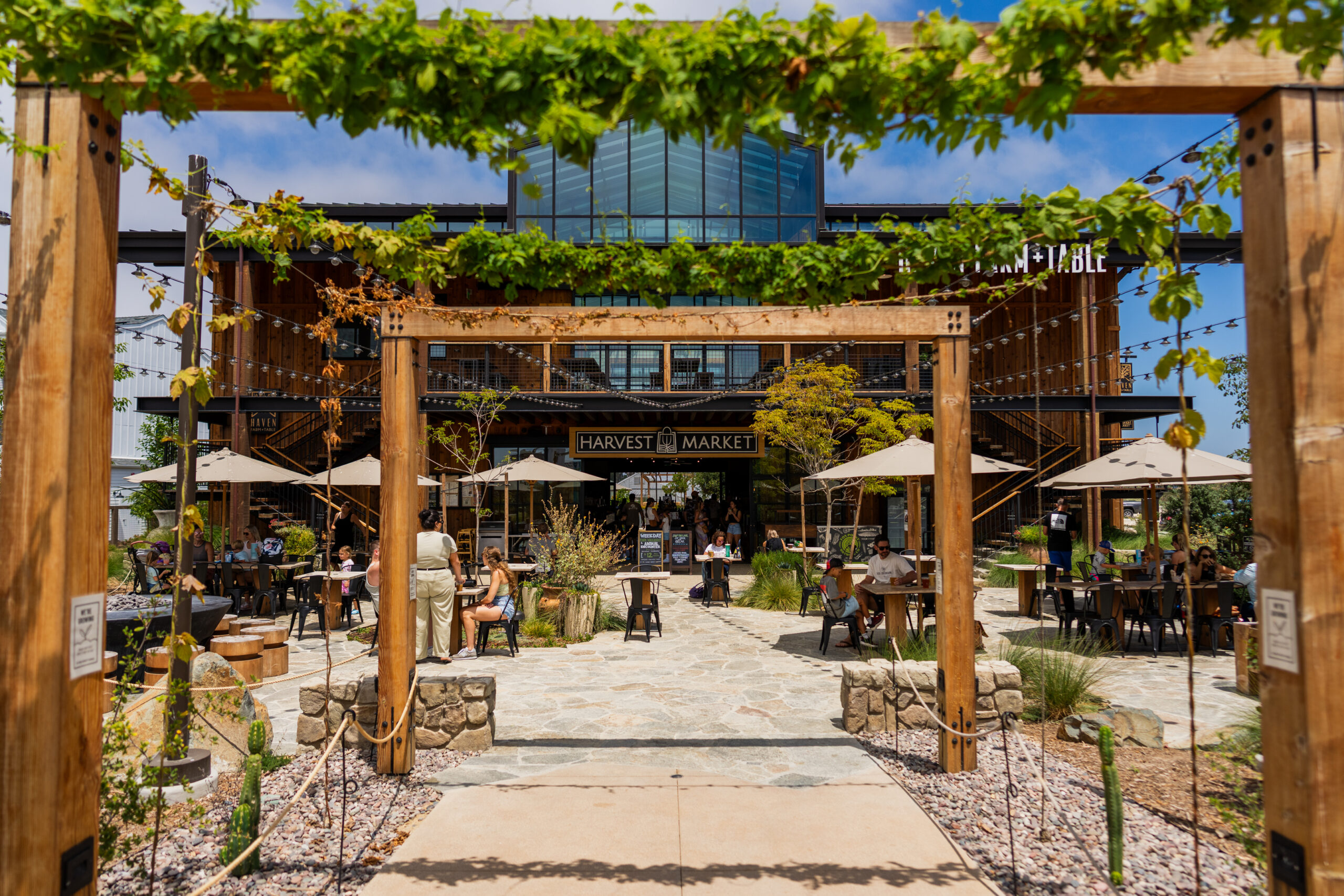
When I moved from New Jersey to Encinitas, I wondered if such a place might exist here. A year later, Fox Point Farms began to take shape. A series of improbable turns followed (including a two-year stint as marketing director and later COO on the business side). Before long, my husband and I found ourselves purchasing a home steps from an organic market and café, restaurant, brewery, and apothecary — all woven into a circular microeconomy that supports a three-acre farm. The life I had once documented from afar was now quite literally outside my door.
Luce springs up at the word “walk,” tail beating a small, ecstatic rhythm against the air. We clip on his leash and step into the morning. The Paseo, an alleyway softened by fruit and olive trees, desert plantings, and the low hum of hummingbirds, guides us toward the open fields. Strawberry trees line the path, their blossoms a quiet offering of nectar.
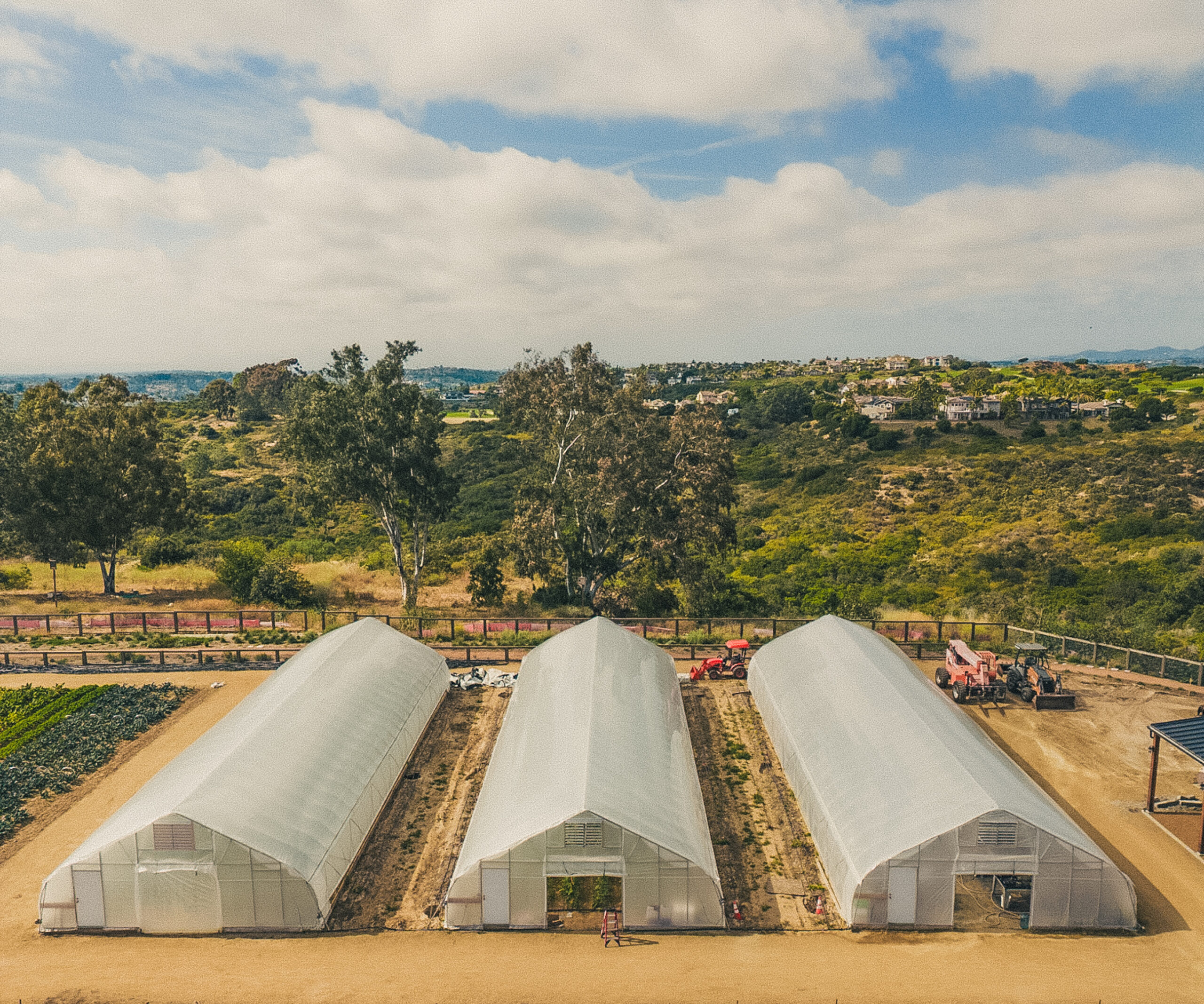
The Paseo widens, and the farm reveals itself. Crops rise in orderly rows, lush and deliberate, meeting the edge of a protected nature preserve. Eucalyptus trees lift their silvered leaves toward a powder-blue sky. Beyond them, the mountains stand in steady relief; farther still, the sea marks the horizon in a band of cerulean.
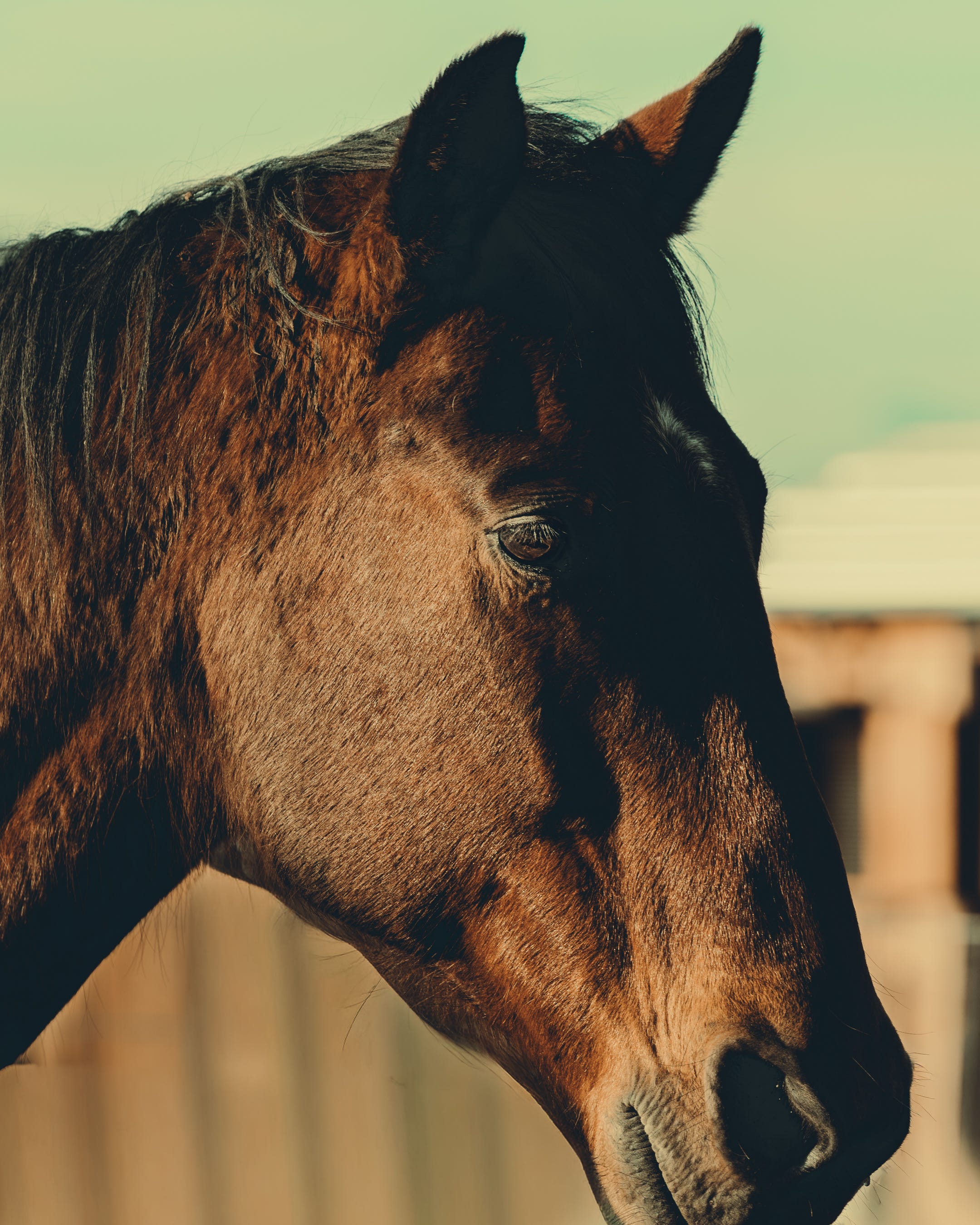
We veer onto the sandy perimeter trail that encircles the fields. Paddocks hold cows, pigs, goats, bunnies, alpacas and a bronze horse, its silhouette both muscular and still. This is the most serene corner of the community, which later will hum with strollers, market shoppers, and the clatter of plates. For now, there is only birdsong rising from the scrub and the quick dart of lizards across the path.
It is the kind of silence that steadies the mind before it begins its daily negotiations. The farm exhales. So do we.
At the bend in the path, we find Brian, the master brewer, already in quiet communion with the morning. He leans against the ag-ops door, speaking about yeast the way a winemaker might speak of terroir, as if it were sentient, temperamental, capable of revelation. He has the steady hands of an alchemist and the patience of a monk. Conversations with him rarely remain about beer for long; they drift toward risk, reinvention, the humility of starting again. In a community built on cultivation, he reminds me that fermentation is simply another form of faith.
From there, the scent of toasted grain and citrus peel draws me toward the market. I crave a grounding matcha latte — grassy, ceremonial, almost medicinal. Jessie and Edna are behind the counter, their presence as restorative as the drink itself. They greet us the way small towns once did: by name, with eye contact, with a warmth that feels unhurried. When my cup slides across the counter, a note waits along its rim in looping script: You are loved.
We wander back beneath cedar arches laced with pale green hops, their tendrils framing the glass-walled wellness space and the lawn that visitors often mistake for a public park. The architecture is restrained — wood, steel, flora — but the real design is social. You cannot cross this place without running into someone you know.
Kim approaches with her golden doodle, Sam, and we pause to confirm brunch plans. It is an ordinary exchange — what time, what to bring — yet it carries the quiet astonishment of adulthood friendship, shaped by repetition and the slow accumulation of shared seasons.
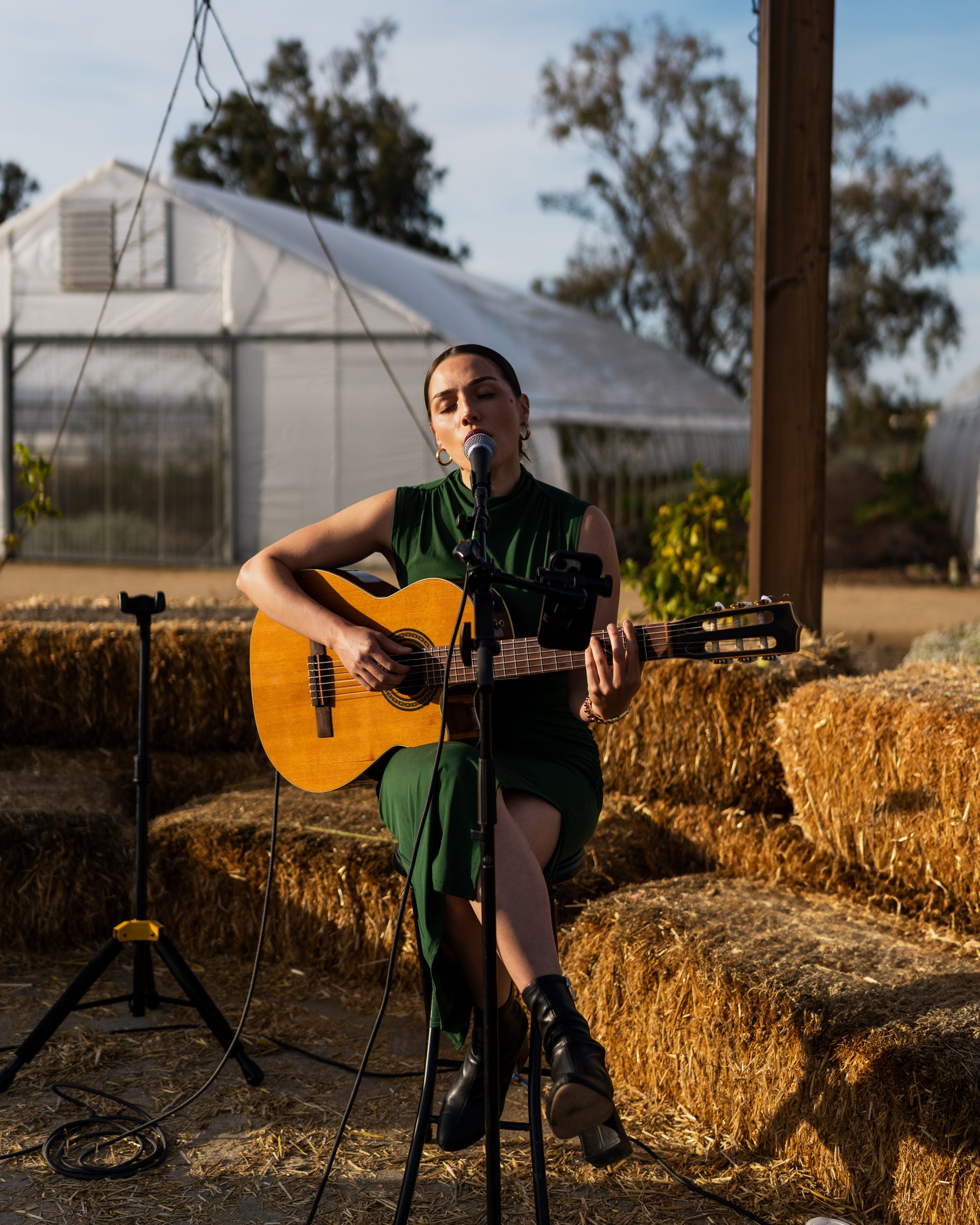
Living here means accepting that a ten-minute errand will take thirty. Someone will stop you to ask if the sourdough pizza stand is open. Someone else will wave you toward the brewery patio for a spontaneous tasting. On live music nights, folding chairs appear on the lawn as if by instinct. Children chase each other beneath string lights while parents trade stories. The faces become familiar not because the city is small, but because the rituals are repeated.
At the edge of the property, the apothecary glows in soft amber light. Inside, jars of calendula, tulsi, and lemon balm line the walls like a quiet pharmacy of the earth. Workshops unfold around a communal table: salves made from herbs grown steps away; tinctures steeped slowly in glass; conversations about nervous systems and soil health that blur the boundary between remedy and ritual. I have watched neighbors arrive skeptical and leave cradling small brown bottles as if they were heirlooms.
There are farm dinners, too — long tables set between rows of greens, where chefs speak not in abstractions but in origin stories. The lettuce was harvested at dawn. The eggs came from hens visible just beyond the fence. Once, during a bread-making demonstration, we pressed our palms into warm dough while the baker explained the invisible labor of wild yeast. “You can’t rush fermentation,” she said. “You have to listen.” It struck me as advice for more than bread.
For years, I traveled the world chronicling places like this: estates in Italy, lodges in Africa, garden hotels in Sri Lanka, India, and Costa Rica, searching for evidence that hospitality could be both beautiful and principled. I believed in the concept. I wrote about it with conviction.
I did not expect to live inside it.
The afternoon will come. Deliveries will rumble in. The outdoor café will fill. The restaurant will hum with the choreography of service. But for now, the farm rests in that luminous margin between solitude and activity, between cultivation and celebration.
Sometimes, as we close the front door behind us and Luce curls into his sun-warmed corner of the couch, I think about how strange it is that the life I once chased across continents now unfolds within walking distance.
The swan in my latte may still look like a cloud with ambition. But outside my home, the fields remain deliberate, patient, alive.
In the end, moving here was not an escape. It was a return to land, to ritual, to the radical notion that community can be grown the same way we grow food: slowly, intentionally, together.
About Maria
Maria Russo is a writer, award-winning photographer, and marketing and brand strategist. A former contributing photographer to National Geographic, she has built global media platforms, led international nonprofit initiatives, and is the CEO and co-founder of The Culture-ist, a creative agency shaping the future of lifestyle across travel, hospitality, food, wellness, and social impact.
Named a “Must-Follow Marketing Mind” by Forbes, Maria leads brand strategy and marketing initiatives for mission-driven companies seeking to forge authentic, enduring connections through storytelling that is visceral, intelligent, and purpose-driven. Her work has been featured in Architectural Digest, National Geographic, Vogue, Forbes, BBC America, Business Insider, and The Huffington Post, reaching more than 100 million people worldwide.
She lives in Encinitas, California, with her husband and their chihuahua, Luce. Connect on Instagram: @mariaaaugust